One of Denver’s Most-Watched Land Debates Finally Has an Answer
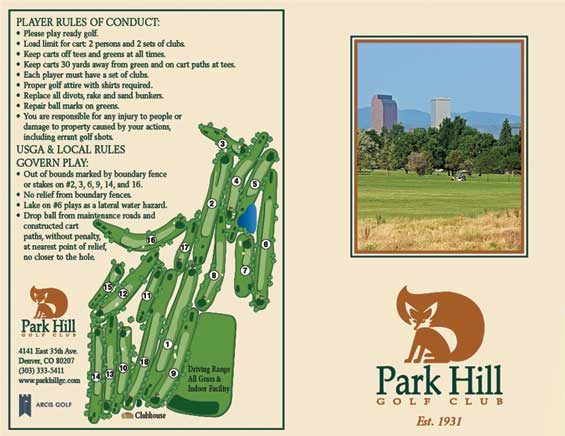
If you’ve lived in or around Park Hill for more than a few years, you’ve probably heard some version of “what’s happening with the golf course” at every neighborhood gathering, block party, and community meeting since it closed back in 2018. It’s been one of the longest-running and most closely watched land use debates in Denver, involving a private developer, a decades-old conservation easement, two separate ballot measures, and eventually a land swap negotiated by the mayor’s office.
The good news is that the story finally has a real answer, and the site is no longer just a debate, it’s an open, walkable park. But there’s still more happening behind the scenes than most people realize. Here’s the full, accurate timeline of how the Park Hill golf course went from a shuttered course to a public park, and what’s still being decided about its future.
Quick Timeline: The Park Hill Golf Course Story So Far
- 1930s: The Park Hill golf course opens and operates as a private course for decades.
- 1997: A conservation easement is placed on the property, legally restricting the land to golf course use only.
- 2018: The golf course closes, sitting vacant and undeveloped for years.
- 2021: Denver voters approve a ballot measure removing the conservation easement restriction, opening the door to other uses.
- 2023: Voters reject a rezoning measure that would have allowed the developer’s mixed-use plan, including housing and retail, on the site.
- Early 2025: After the rezoning defeat, the developer and the City of Denver negotiate a land swap instead of continued redevelopment.
- 2025: The City acquires the full 155-acre site in exchange for city-owned industrial land near Denver International Airport.
- October 2025: Park Hill Park officially opens for passive recreation, becoming the fourth-largest park in Denver’s system.
- Late 2025 through early 2026: The City runs an extensive community design process, followed by a five-year action plan released in February 2026.
How the Conservation Easement Shaped Decades of Debate
To understand why this took so long, you have to go back to 1997, when a conservation easement was placed on the Park Hill golf course property. That easement legally restricted the land to golf course use only, which meant that after the course closed in 2018, the site couldn’t simply be redeveloped, rezoned, or turned into a park without a legal change to that restriction first.
That single detail is a big part of why the debate dragged on for years rather than resolving quickly. Any path forward, whether that meant new housing, a public park, or anything else, first required voters to weigh in on lifting the easement.
The 2021 Vote and the 2023 Rejection
In 2021, Denver voters approved a ballot measure removing the conservation easement, which opened the door for the site’s owner, Westside Investment Partners, to pursue a mixed-use redevelopment plan. That plan, developed with input from Denver-based planning firm Stantec, proposed balancing around 100 acres of green space with a mix of housing types, a grocery store, and commercial space.
In 2023, that specific rezoning plan went to voters and was rejected. Denverites made clear they wanted the land to remain public open space rather than a mixed development, even one that included a significant park component. It was one of the more high-profile land use votes in recent Denver history, and it left the site’s future genuinely uncertain for a while afterward.
The Land Swap That Finally Resolved It
After the 2023 rejection, the path forward wasn’t obvious. Westside Investment Partners still owned the land, and the conservation easement no longer applied, but there was no approved plan for the site. Rather than pursuing another development proposal, the City of Denver and Westside negotiated a different solution entirely: a land exchange.
In a deal negotiated by Mayor Mike Johnston, the City agreed to trade approximately 145 acres of city-owned industrial property near Denver International Airport in exchange for the full 155-acre Park Hill site. It was described at the time as the largest single property acquisition in Denver’s history, and it gave the City full ownership of the golf course land without a taxpayer-funded purchase, while giving the developer a large, developable parcel elsewhere in the city.
What’s There Right Now
Park Hill Park officially opened to the public in October 2025, becoming the fourth-largest park in Denver’s parks and recreation system. Right now, the park is open for what the City calls “passive recreation,” meaning walking, jogging, and simply enjoying the open space, rather than full amenities. Reporting from the Colorado Sun at the time of the opening described the site as still visibly shaggy and overgrown in places, a holdover from years of dormant golf course roughs, with the promise of future ballfields, natural playgrounds, and exercise trails posted on fencing around the site.
In other words, if you’ve walked through recently and thought “this still looks a lot like an old golf course,” that’s accurate. The full build-out is still in progress.
What’s Still Being Decided in 2026
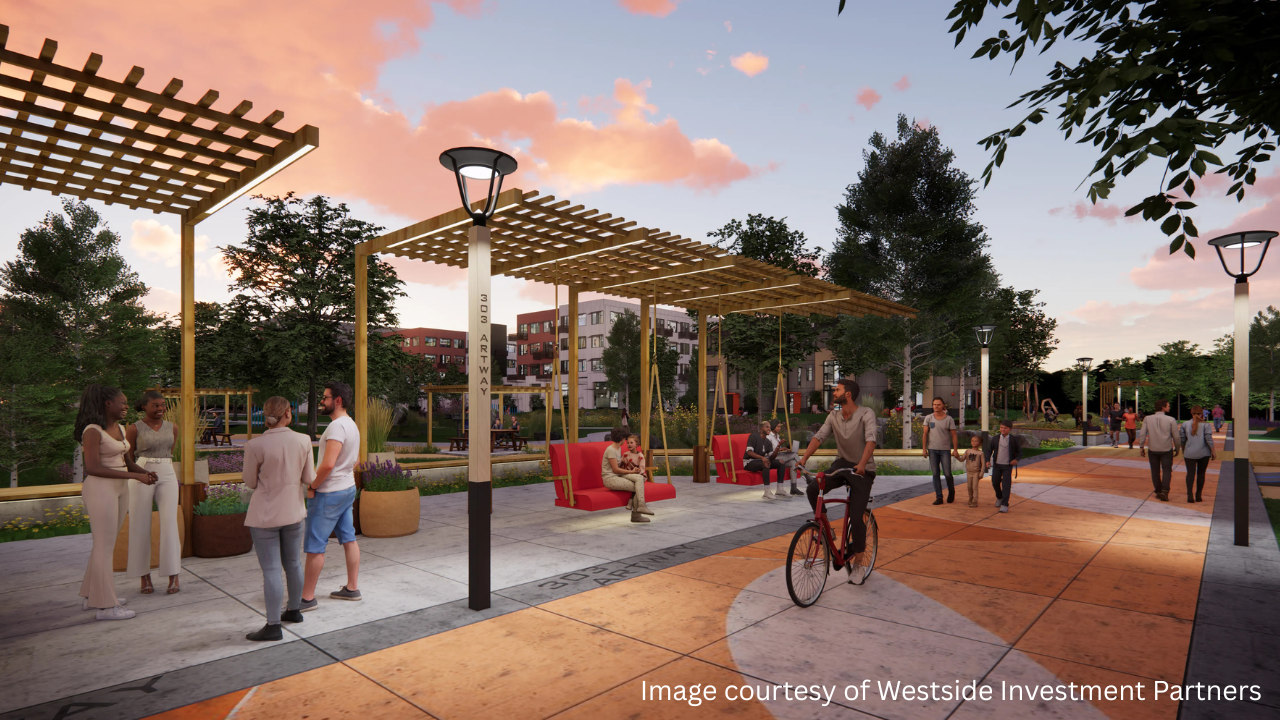
Between August 2025 and January 2026, the City ran an extensive community engagement process to shape the park’s long-term design, working with planning firm Sasaki on a broader framework plan for the site. That process fed into a five-year action plan released in February 2026, which focuses on near-term, achievable improvements to the park while also addressing a concern many neighbors raised directly: the risk of gentrification and displacement for nearby residents and businesses as the area becomes more desirable.
Current plans under discussion include expanded trails, additional tree canopy, and the potential for an indoor sports facility, though final details on amenities and phasing are still being worked out. The City has also indicated it intends to pursue separate affordable housing projects near the park, distinct from the park land itself, as part of a broader effort to address rising housing costs in the surrounding area.
What This Means for Park Hill Homeowners and the Neighborhood
For longtime residents, the practical takeaway is this: the uncertainty that hung over this site for years is largely resolved. The land will remain public open space permanently, rather than being redeveloped into housing or retail, and the City is actively investing in its long-term build-out rather than leaving it in limbo.
For the neighborhood more broadly, a 155-acre park landing in the middle of Park Hill is a significant long-term amenity, one that’s likely to keep shaping how people think about the area for years to come. If you’re curious about how Park Hill’s overall desirability and market activity have trended recently, our posts on why people love living in Park Hill and recent Park Hill real estate trends both touch on the neighborhood characteristics that continue to draw people here.
Conclusion: A Long Debate, a Real Resolution, and More Still to Come
The Park Hill golf course saga spanned a conservation easement dating back to 1997, two separate public votes, and a mayor-negotiated land swap before finally landing on its current path as a public park. As of 2026, the biggest question, whether this land would become housing, commercial space, or open space, has a clear answer. What’s left is the more ordinary, if slower-moving, work of finishing the park’s design and build-out over the next several years.
If you have questions about how the park or any other neighborhood development might affect your home’s value or your own plans in Park Hill, feel free to reach out any time.
Curious how neighborhood changes like this affect home values in Park Hill? Contact Erik for a conversation grounded in the local market, not just speculation.


