The Question Every Denver Seller Is Asking
I get some version of this question almost every week: “Should I list now, or wait it out?” It’s a fair question, and honestly, there’s no universal answer. It depends on your home, your neighborhood, and what’s actually happening in the numbers right now, not what happened two or three years ago.
Here’s the short version: the Denver market has shifted into a more balanced, buyer-friendlier place than it was during the frenzy of 2021 and 2022, but that doesn’t mean it’s a bad time to sell. It means how you sell matters more than ever. Let’s walk through what the data actually says, so you can make the decision with real information instead of gut instinct or outdated headlines.
What the Numbers Say Right Now
According to the Denver Metro Association of Realtors’ (DMAR) June 2026 Market Trends Report, the Denver metro’s median closing price sits at $616,000, essentially flat compared to the previous month. Active listings climbed to 12,744, up nearly 4% month over month, giving buyers meaningfully more options than they’ve had in recent years. At the same time, new listings dipped about 4%, and pending sales eased slightly as well, a sign that both buyers and sellers are being more selective.
The most telling number for sellers is days on market. Homes are now spending a median of 18 days in the MLS, up sharply, nearly 29%, from the prior month. Zooming into the broader June report, detached homes saw median days in the MLS jump over 27% to 14 days, while attached homes (condos and townhomes) climbed over 17% to 34 days. But here’s the part sellers should actually pay attention to: close-price-to-list-price ratios are holding steady around 99% across almost every price segment. In plain terms, homes are taking longer to find a buyer, but sellers who price and present correctly aren’t losing ground once they’re at the negotiating table.
The Real Divide: Move-In Ready vs. “Needs Work”
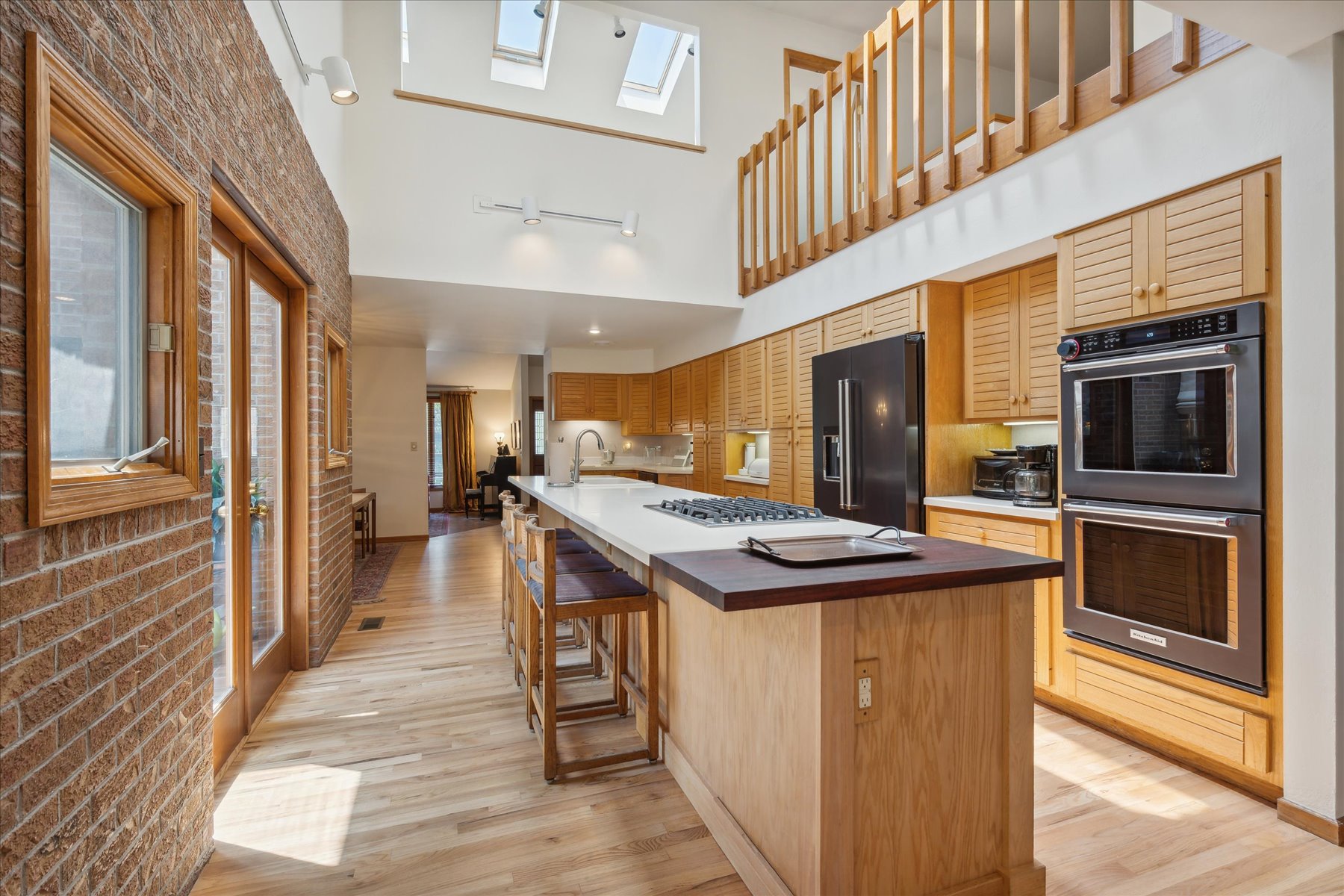
This is the piece that should shape your decision more than any single headline number. The current market has split cleanly into two lanes: homes that are genuinely move-in ready, and everything else. Turnkey homes priced between $300,000 and $999,999 are moving with less than three months of inventory, still a seller-favorable pace. Compare that to homes priced above $2 million, where inventory now stretches to 4.63 months, or entry-level homes under $300,000 sitting at 4.44 months. Both are places where dated or distinctive properties are waiting significantly longer for the right buyer.
Buyers today are doing more than eyeballing a listing photo. They’re inspecting mechanical systems, checking the age of roofs and water heaters, and factoring years of future maintenance costs directly into their offers. If your home needs updates, buyers aren’t necessarily walking away, but they are negotiating harder, asking for price concessions, and requesting inspection credits far more often than they were a year or two ago.
What This Means for Park Hill Sellers Specifically
Zooming into our own backyard, the current Park Hill South market tells a similarly nuanced story. Recently, 47 homes sold in Park Hill South, with an average sold price of $1,210,995 and an average sold price per square foot of $652. Homes here are averaging 33 days on market before selling, longer than the metro-wide median, which lines up with what we’re seeing citywide: well-presented, well-priced homes are still moving at a reasonable pace, while others linger.
The average active list price in Park Hill South currently sits at $894,726, noticeably below the average sold price. That gap reflects both new inventory entering at varied price points and the premium buyers are still willing to pay for the right home in this neighborhood. If you’ve been sitting on the sidelines wondering whether Park Hill still holds its value, the answer right now is yes, but condition and pricing strategy are doing more of the heavy lifting than market momentum alone.
So, Sell Now or Wait? Questions to Ask Yourself
There’s no single right answer, but here’s how to think it through:
- Is your home genuinely move-in ready? If yes, current data favors listing sooner rather than later. Turnkey inventory is still absorbed quickly, and pricing power remains with well-maintained homes.
- Does your home need meaningful updates? If so, consider whether it makes more financial sense to invest in a few key repairs before listing, or to price accordingly and expect to negotiate on credits.
- Are you selling and buying in the same market? If you’re moving within Denver, remember that increased inventory can work in your favor on the buy side, even if it means more patience on the sell side.
- How does your specific neighborhood compare to the metro average? Park Hill’s numbers, like most established, walkable neighborhoods, tend to hold up better than the broader metro average, but it still pays to look at hyper-local data before deciding.
- What’s your timeline flexibility? If you need to sell quickly, pricing realistically from day one matters more now than it did in a faster-moving market.
If you’re weighing this decision, our post on selling your Denver home in a difficult market walks through staging and presentation strategies that pair well with today’s condition-driven market.
Hot Take: Timing Matters Less Than Preparation
Here’s the honest takeaway: “now vs. later” is less important than “ready vs. not ready.” The data is clear that well-kept, realistically priced homes are still trading briskly and holding their price integrity, while homes sitting on the market longer are giving buyers more room to negotiate. Rather than trying to time the market perfectly, the better question is whether your home is positioned to compete in it.
If you’re trying to figure out where your home stands and what it might take to get top dollar in today’s Denver market, I’d love to walk through it with you. No pressure, just real numbers specific to your street and your home. For a broader look at what’s shaping our local market this year, check out our recent post on population changes and new development impacting Denver home values.
Thinking about listing this year? Contact Erik for a free, no-obligation home valuation and a straight-talk conversation about your timing options.


