Old Advice, New Market
A lot of what sellers “know” about the Denver market is left over from 2021 and 2022, when bidding wars, waived inspections, and homes selling in a weekend were the norm. That market doesn’t exist anymore, and holding onto those assumptions in 2026 can genuinely cost you money, time, or both.
We hear some version of these seven Denver real estate myths almost every week, often from smart, well-informed sellers who simply haven’t seen the current numbers yet. Below, we’re pairing each myth with what the data from the first half of 2026 actually shows, so you can walk into your sale with realistic expectations instead of outdated ones.
Myth #1: “It’s Still a Seller’s Market, So I Can Price However I Want”
This is probably the most common of all the Denver real estate myths we hear, and it’s understandable given how the market behaved just a few years ago. But inventory has grown every single month so far in 2026, with single-family active listings in Denver climbing from 1,059 in January to 1,659 by June, an increase of roughly 57% in six months.
The reality: More inventory means more competition for buyer attention. Overpricing in a market like this doesn’t just delay your sale, it can actively work against you, since buyers researching comparable homes will notice a listing that’s sitting while similar homes down the street are moving. Our post on timing your sale in today’s market breaks down how to think through pricing strategy given current conditions.
Myth #2: “I Don’t Need to Fix Anything Before Listing”
This myth used to hold up better than it does now. During the frenzy years, buyers were often willing to overlook deferred maintenance just to get into a home. That’s no longer the default assumption.
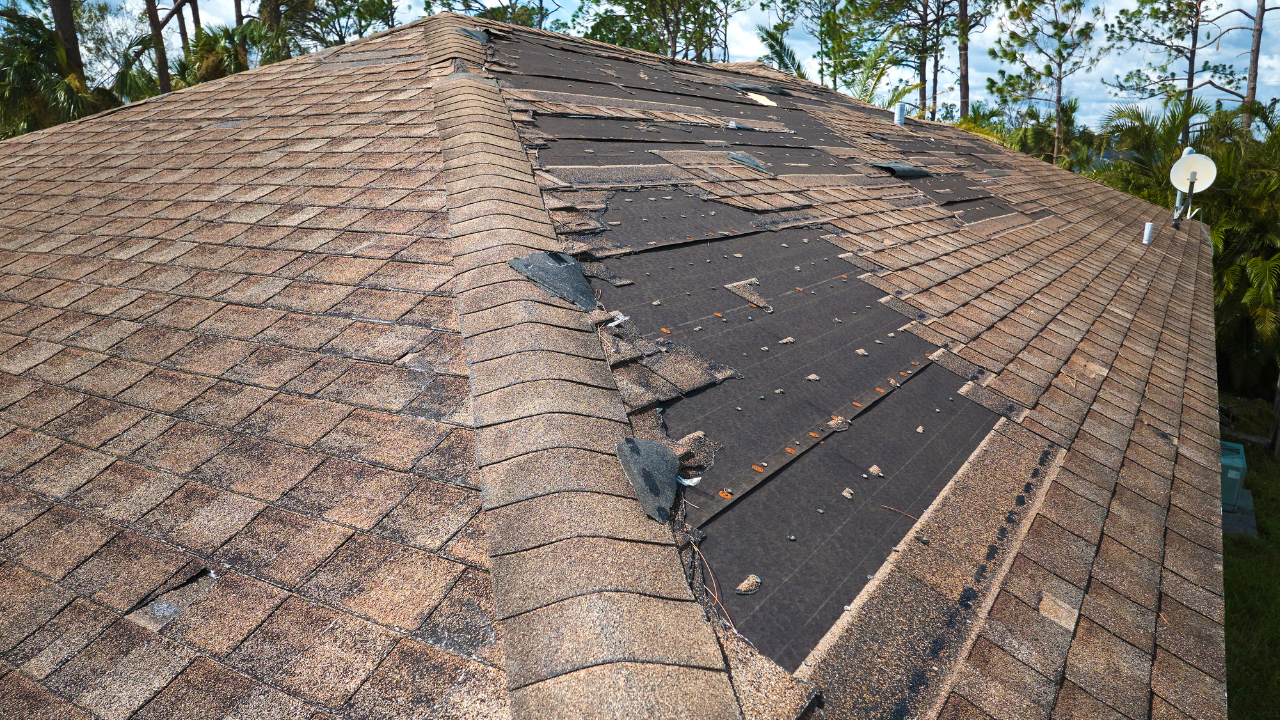
The reality: Buyers today are inspecting mechanical systems, roofs, and water heaters closely, and factoring years of future maintenance costs directly into their offers. Homes that need real work are increasingly negotiated down or asked to provide inspection credits, while genuinely move-in-ready homes are still closing quickly and holding their price. It’s one of the first assumptions worth retiring before you list.
Myth #3: “A High Days-on-Market Number Means Something’s Wrong With My Home”
This one causes a lot of unnecessary panic. Sellers see their home creeping past the “typical” number of days on market and assume buyers are avoiding it for a bad reason.
The reality: Days on market varies enormously by price point, property type, and neighborhood, and a single blended average rarely tells the full story. We covered this in detail in our post on what days on market actually tells you about a Denver neighborhood, but the short version is this: a higher-than-average number often reflects price point or condition rather than a fundamentally undesirable home.
Myth #4: “Spring Is the Only Time Worth Selling”
Spring genuinely is the busiest selling season in Denver, and there’s real data behind that. But treating it as the only viable window causes sellers to either rush a listing before they’re ready or sit on the sidelines the rest of the year unnecessarily.
The reality: Denver’s single-family median sales price kept climbing straight through June, and inventory, under-contract activity, and sold listings all continued moving throughout the first half of the year, not just during the spring rush. Our midyear market recap shows a market that stayed active well beyond the traditional spring window.

Myth #5: “Selling FSBO Saves Me the Most Money”
For Sale By Owner listings can seem appealing on paper, since skipping a listing agent looks like an easy way to keep more of the sale price. In practice, this assumption tends to backfire quietly.
The reality: Denver sellers working with agents have consistently received between 97% and 99% of list price throughout 2026, a number that reflects professional pricing strategy, negotiation, and market positioning. FSBO sellers often underprice out of caution, overprice out of emotional attachment, or lose ground during negotiations without professional representation, any of which can easily outweigh the commission they were trying to avoid.
Myth #6: “Bidding Wars and Waived Inspections Are Still the Norm”
This myth persists mostly because it made for such memorable headlines a few years ago. But the market that produced those conditions has cooled into something far more balanced.
The reality: Industry leaders have been describing 2026 as a return to normal, balanced conditions rather than another extreme swing. Buyers now generally have room to negotiate, time to inspect, and the ability to compare multiple options, all things that were rare during the pandemic-era peak. Sellers who plan around the expectation of a bidding war are often the ones most surprised, and disappointed, when their home doesn’t behave that way.
Myth #7: “Staging and Photos Don’t Matter That Much If the Home Is Good”
This is one of the more costly Denver real estate myths, because it’s usually believed by sellers with genuinely great homes who assume the property will speak for itself.
The reality: Buyers form an opinion within the first 30 seconds of touring a home, often before they’ve even reached the kitchen, and that same snap judgment happens online first, based entirely on photos. A home with real potential can still get scrolled past or undervalued if it isn’t presented well. We cover this in more detail in our post on what buyers notice in the first 30 seconds of a showing, but the short version is that presentation is doing more of the work in today’s market than it did a few years ago, not less.

Sell Based on Today’s Market, Not Yesterday’s Headlines
Every one of these Denver real estate myths made sense at some point, usually because they were true during a very different market than the one we’re in now. The sellers who do best in 2026 are the ones pricing, preparing, and marketing their homes based on current data rather than outdated assumptions carried over from the pandemic-era boom.
If you’re not sure which of these myths might be shaping your own expectations heading into a sale, that’s exactly the kind of conversation worth having before you list, not after your home has been sitting longer than expected.
Ready to sell based on real, current data? Contact Erik for an honest, numbers-based conversation about your home and your timeline.


