Key Points
- High days on market usually points to condition or price segment, not just overpricing.
- Condos and townhomes sit longer due to deferred maintenance and rising HOA costs.
- Park Hill averages 33 days, driven by higher price points, not weak demand.
- Condition, more than price, is now the biggest driver of days on market.
- Compare your home to similar nearby listings, not the citywide average.
- Close-price-to-list-price ratios are holding near 99%, so a longer wait doesn’t mean a lower sale price.
- LATEST NUMBERS (June 2026): Metro-wide median: 18 days. Detached homes: 14 days. Attached homes: 34 days.
“Days on market” is a frequently used metric in Denver real estate, but it’s often misunderstood. Buyers might see a high DOM and assume a property is flawed, while sellers might see a low number and expect a quick sale. Neither assumption is always accurate. Understanding the nuances of days on market in Denver is crucial for making informed decisions, whether you’re buying or selling this year.
Decoding “Days on Market” in Denver
At its core, days on market (DOM) measures how long a property remains actively listed before going under contract. While tracked individually, aggregated DOM for neighborhoods, cities, and the metro area can obscure important details. A single median DOM for the entire Denver metro can blend diverse properties—from starter condos to luxury estates—making it less revealing without context.
As of June 2026, the Denver metro median DOM was 18 days, a nearly 29% increase from the previous month. However, this average masks significant differences: detached homes averaged 14 days, while attached homes (condos and townhomes) averaged 34 days. This disparity highlights distinct market dynamics rather than a city-wide slowdown.

How Price Segments Influence Denver Days on Market
DOM also varies significantly by price point. For detached homes between $300,000 and $999,999, where well-maintained properties are in high demand, inventory is low, favoring sellers. In contrast, the luxury segment ($2 million+) and the entry-level tier (under $300,000) have longer DOM, often due to more dated or unique properties appealing to a smaller buyer pool.
Comparing your home’s DOM to the broad Denver average is like comparing apples to a fruit basket; focus on metrics relevant to your specific price range, property type, and location.
Condition: The Biggest Driver of Denver Days on Market
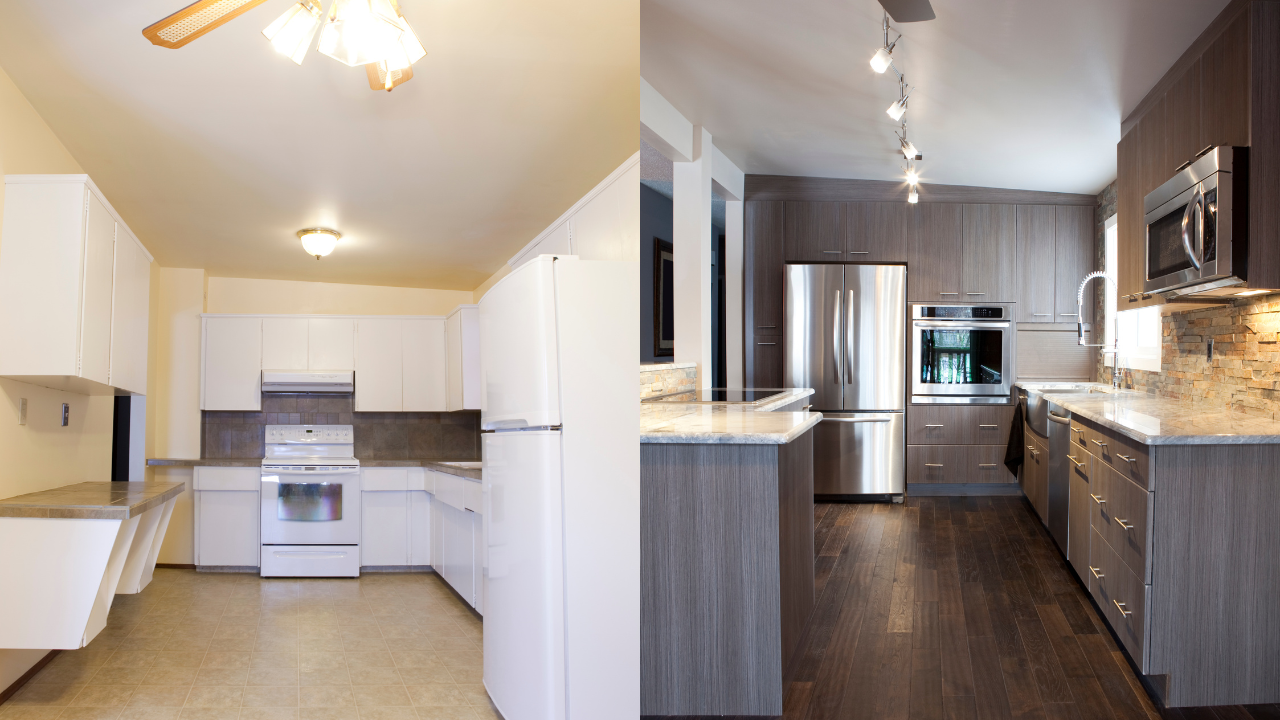
In 2026, a property’s condition has become a primary factor influencing days on market, often more so than price alone. Buyers are meticulously inspecting homes, factoring in the age of systems and potential future maintenance costs.
Move-in-ready homes continue to sell quickly and hold their value. Properties with deferred maintenance, however, sit on the market longer, giving buyers significant negotiating leverage, including price reductions and inspection credits. Therefore, a high DOM number may not indicate a declining neighborhood but rather a home requiring updates. Conversely, a low DOM could reflect well-prepared listings rather than exceptional neighborhood demand.

Neighborhood Spotlight: Days on Market in Park Hill, Denver

Examining Park Hill, specifically south of 23rd Ave, reveals a local DOM average of 33 days. While longer than the metro median, this figure is contextualized by the area’s average sold price of $1,210,995. This price point naturally leads to longer marketing times due to a more selective buyer pool. The average active list price in Park Hill is $894,726, indicating a broad range of properties on the market. The 33-day average reflects Park Hill’s specific price tier and inventory mix, not a weakening market.
How to Effectively Use Days on Market Data
- For Sellers: Compare your home’s DOM to similar properties in terms of price, condition, and type, not the citywide average. Rising neighborhood DOM suggests refining pricing and presentation.
- For Buyers: A home with a higher DOM in a desirable area might present a negotiation opportunity. Investigate the reasons for the longer listing period before assuming it’s overpriced.
- For Market Observers: Analyze DOM alongside inventory levels and price trends for a comprehensive market view. No single metric tells the entire story.
For a deeper understanding of how Denver’s growth and inventory shifts influence home values, explore our analysis on population changes and new development impacting Denver home values in 2026.
Context is Key for Denver Days on Market
Days on market is a valuable tool, but its meaning is derived from context. The 2026 Denver market emphasizes that property condition is as critical as location or price. Understanding the factors behind the DOM is essential for both buyers and sellers. Whether you’re navigating the Park Hill market or the broader Denver area, the true value lies in interpreting this metric for your specific situation.
Curious about how your specific street or target neighborhood compares? I provide hyper-local data for Park Hill and surrounding East Denver neighborhoods. For more insights into the current local market trends, check out our Park Hill real estate trends post.
Want a neighborhood-specific breakdown of days on market? Contact Erik for current data on your street or the home you’re interested in.


