Key Takeaways
- Bungalows became popular during the early 1900s as part of the Craftsman movement
- Many bungalow homes in Park Hill Denver were built during the neighborhood’s initial development
- Common features include covered porches, low-pitched roofs, and quality craftsmanship
- Craftsman influences remain visible throughout many Park Hill bungalows
- Historic bungalows continue attracting buyers because of their character and livability
Walk through Park Hill and you’ll find no shortage of architectural variety.
While Tudors and Denver Squares often receive much of the attention, another home style quietly helped shape the neighborhood’s identity: the bungalow.
Known for their inviting front porches, efficient layouts, and craftsmanship-driven design, bungalows became one of the most popular home styles in America during the early 20th century. Many of the bungalow homes in Park Hill Denver still stand today, offering a glimpse into the neighborhood’s early development and enduring appeal.
More than a century later, these homes continue attracting buyers who appreciate character, history, and thoughtful design.
What Is a Bungalow Home?
Quick Answer:
A bungalow is a small to medium-sized home style that became popular between 1900 and 1930. Bungalow homes are typically one to one-and-a-half stories tall and feature low-pitched roofs, covered front porches, and efficient floor plans. Many bungalow homes in Park Hill Denver were built during the neighborhood’s early growth years and remain highly sought after today.
The Rise of the American Bungalow
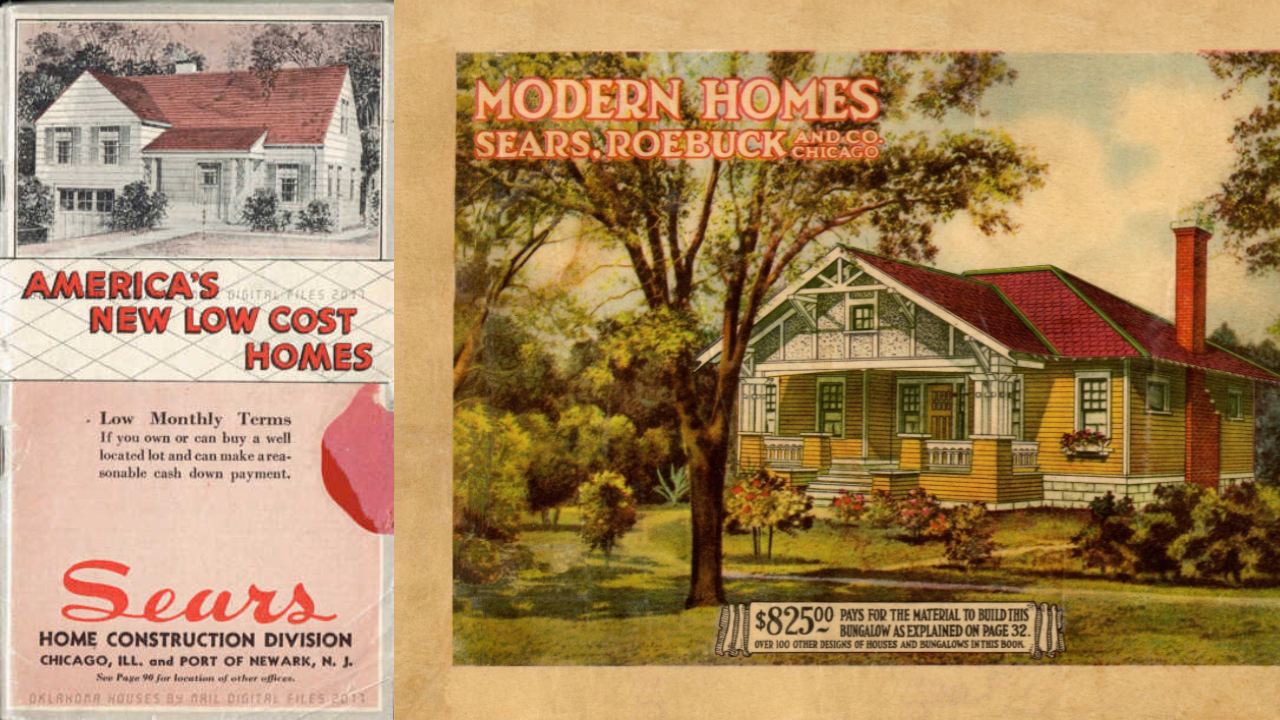
The bungalow originated as part of the Arts and Crafts, or commonly referred to as the Craftsman movement, which emphasized simplicity, craftsmanship, and practical living.
At the turn of the 20th century, many Americans were moving away from the elaborate design of Victorian homes. Instead, buyers began favoring homes that felt more functional and connected to everyday life.
Bungalows quickly gained popularity because they offered:
- Affordable construction
- Efficient layouts
- High-quality craftsmanship
- Comfortable living spaces
The style spread rapidly across the country and became one of the defining residential designs of the early 1900s.
Why Bungalows Became Popular in Denver
As Denver expanded during the early twentieth century, neighborhoods like Park Hill provided opportunities for new residential development.
The bungalow was perfectly suited to the era.
These homes:
- Fit comfortably on city lots
- Were relatively affordable to build
- Provided modern conveniences for growing families
- Blended well with Denver’s emerging residential neighborhoods
As Park Hill developed alongside Denver’s expanding streetcar system, builders constructed hundreds of homes designed to meet growing demand.
Today, many of the remaining bungalow homes in Park Hill Denver date back to this important period of neighborhood growth.
Defining Features of Bungalow Homes in Park Hill Denver
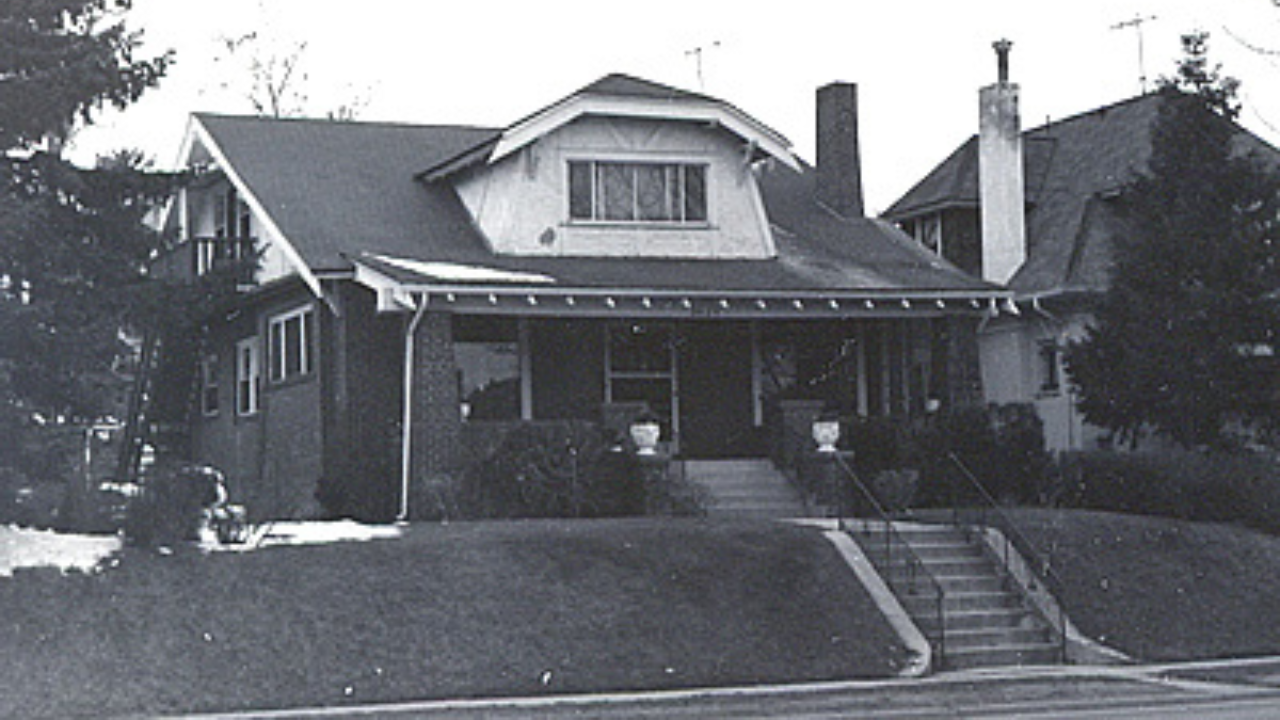
Bungalows are often easy to recognize once you know what to look for.
Common architectural characteristics include:
- Large covered front porches
- Low-pitched rooflines
- Wide overhanging eaves
- Exposed rafters or decorative brackets
- Built-in cabinetry and woodwork
- Open living and dining spaces
- One or one-and-a-half-story layouts
Many bungalow homes in Park Hill Denver also feature brick exteriors, original hardwood floors, and charming architectural details that have been preserved for generations.
These features continue to make the homes attractive to buyers seeking something different from newer construction.
The Influence of the Craftsman Movement
Many bungalows built throughout Denver were influenced by Craftsman architecture.
Craftsman bungalows emphasized:
- Handcrafted details
- Natural materials
- Functional design
- Strong connections between indoor and outdoor spaces
This influence can still be seen today in original wood trim, built-in bookcases, fireplace surrounds, and detailed porch construction found throughout Park Hill.
The emphasis on craftsmanship remains one of the reasons buyers continue appreciating these homes more than a century after they were built.
Bungalows vs Tudors and Denver Squares
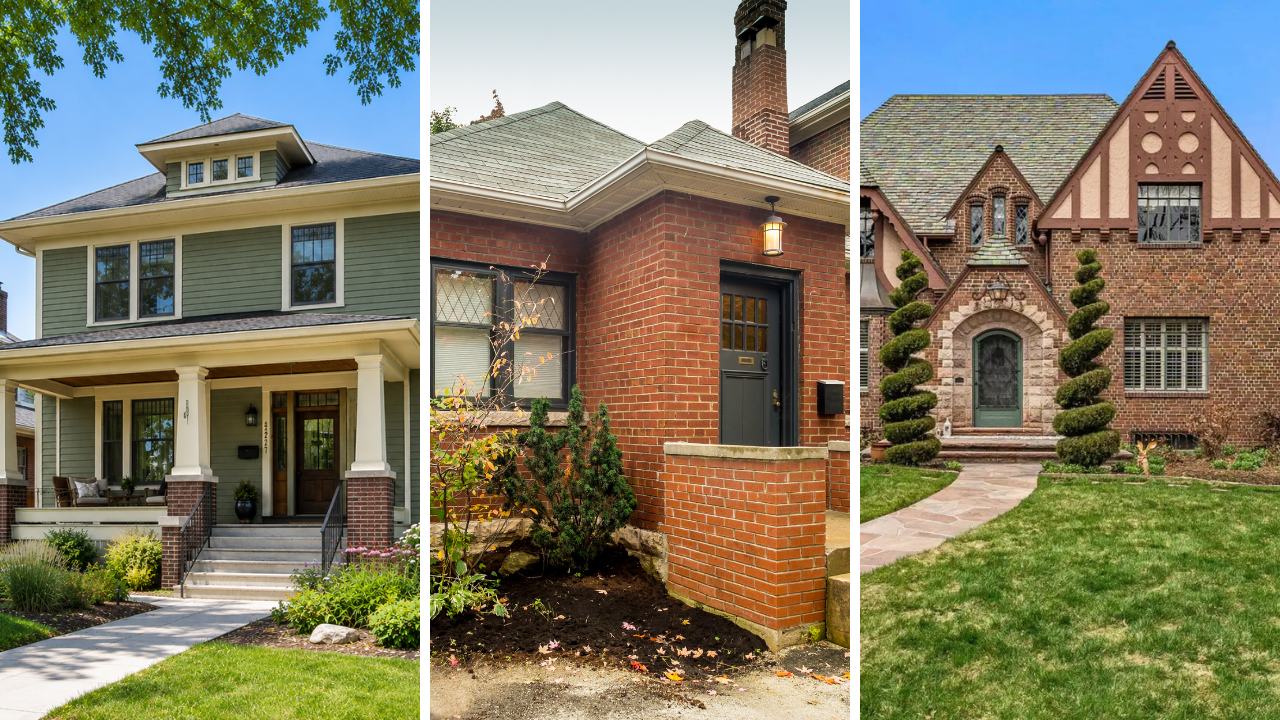
Park Hill’s architectural diversity is one of the neighborhood’s defining characteristics.
Each home style offers something unique:
Bungalows
- Cozy and approachable
- Emphasis on craftsmanship
- Efficient layouts
- Strong connection to outdoor living
Tudor Homes
- Dramatic rooflines
- Decorative brickwork
- Storybook-inspired architecture
Denver Squares
- Symmetrical designs
- Larger floor plans
- Practical family layouts
Together, these styles create the visual variety that helps distinguish Park Hill from many other Denver neighborhoods.
The History of Four Square Homes in Park Hill Denver
Why Buyers Still Love Bungalow Homes Today
One of the reasons bungalow homes continue performing well in the market is their ability to balance charm and functionality.
Many buyers appreciate:
- Historic character
- Walkable neighborhood locations
- Original architectural details
- Manageable home sizes
- Established landscaping
Unlike some historic homes that require extensive maintenance, many bungalows offer a relatively approachable ownership experience while still providing the character buyers often seek.
This has helped maintain demand for bungalow homes in Park Hill Denver even as housing preferences have evolved.
Bungalows Help Define Park Hill’s Character
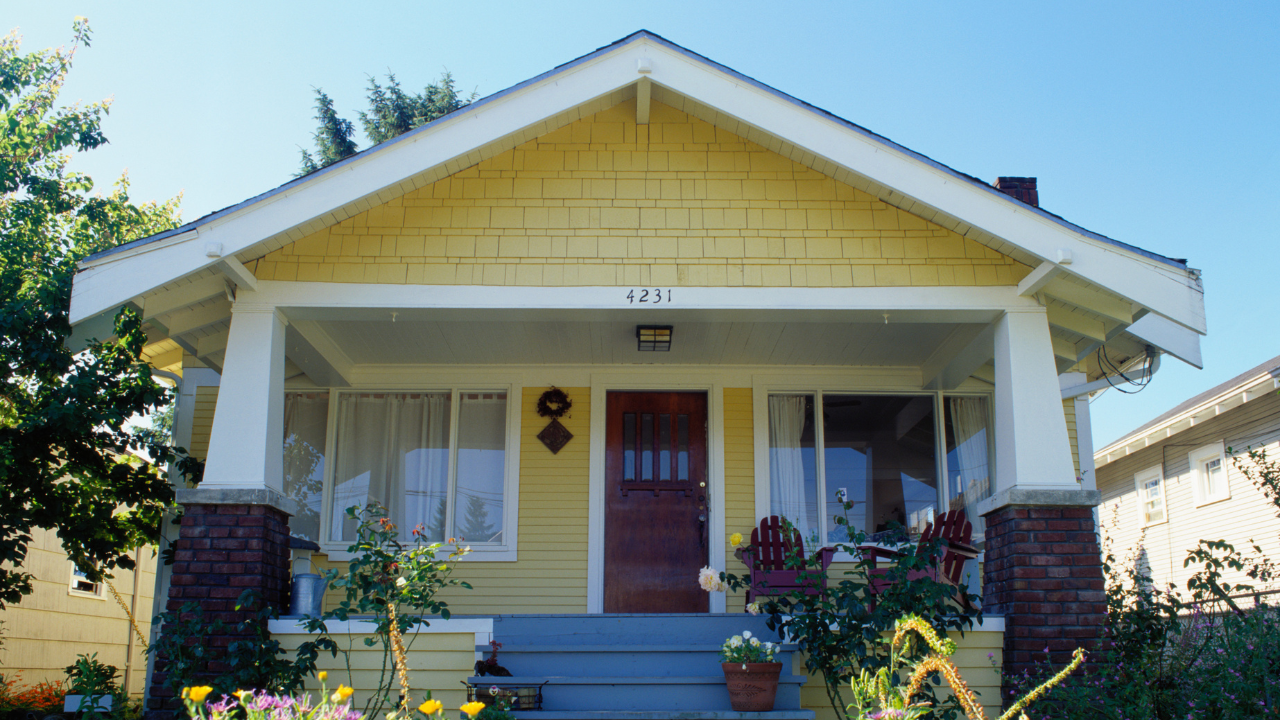
Architecture plays a major role in how a neighborhood feels.
The collection of bungalows, Tudors, Denver Squares, and other historic home styles contributes significantly to Park Hill’s identity.
As residents walk the neighborhood, these homes help create:
- Visual character
- Architectural diversity
- A sense of history
- Strong neighborhood appeal
The preservation of these homes continues connecting modern residents to the neighborhood’s early roots.
Final Thoughts
While Park Hill may be best known for its Tudors and Denver Squares, bungalows played an equally important role in shaping the neighborhood’s history.
Their emphasis on craftsmanship, practicality, and timeless design continues resonating with buyers today. More than just homes, these structures serve as reminders of the period when Park Hill emerged as one of Denver’s most thoughtfully developed residential neighborhoods.
For anyone interested in architecture, neighborhood history, or Denver real estate, bungalow homes offer an important chapter in the story of Park Hill.
Interested in learning more about Park Hill’s historic architecture? Exploring the neighborhood’s diverse collection of bungalows, Tudors, and Denver Squares is one of the best ways to understand what continues to make this area so distinctive today.


