For many sellers, the inspection period can feel like the most stressful part of a home sale.
After preparing your home, getting it listed, and negotiating an offer, it can be frustrating to hear a buyer return with a list of concerns. The good news is that most inspections do not uncover major surprises. In fact, buyers are often focused on a handful of key systems and maintenance items that could impact safety, functionality, or future costs.
How Long Does It Take to Sell a Home in Denver?
If you’re preparing to sell, understanding what inspectors look for in Denver homes can help you address issues proactively and reduce the chances of surprises during negotiations.
What Do Home Inspectors Look for in Denver Homes?
Quick Answer:
When evaluating a property, inspectors focus on the home’s major systems, safety concerns, structural components, and signs of deferred maintenance. While every inspection is different, buyers tend to pay the closest attention to roofing, foundations, electrical systems, plumbing, HVAC systems, and moisture-related issues.
Roofing Issues Are Often One of the First Concerns
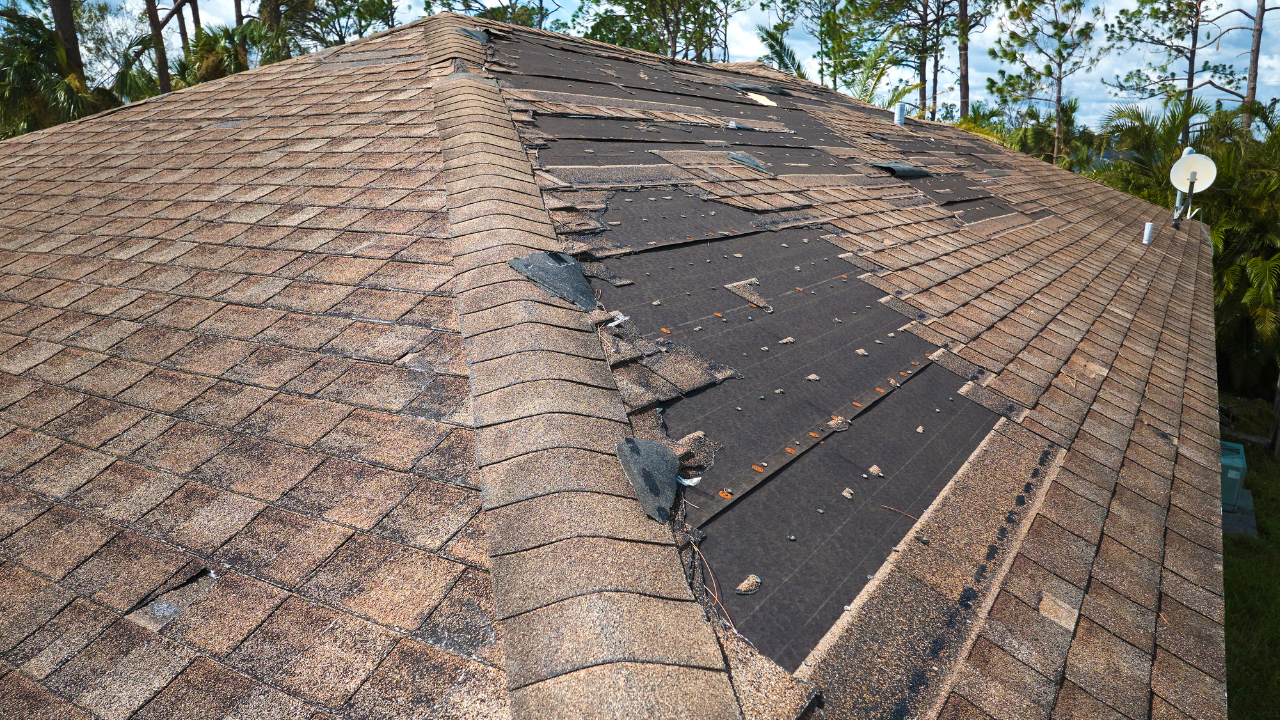
In Colorado, roofs take a beating.
Between hail, snow, high winds, and intense sun exposure, roofing systems are one of the most commonly scrutinized items during an inspection.
Inspectors often evaluate:
- Missing or damaged shingles
- Roof age and condition
- Flashing and drainage
- Signs of leaks or water intrusion
Buyers know roof replacements can be expensive, which is why roofing concerns often become negotiation points.
Before listing, it can be worthwhile to address obvious issues or obtain documentation for recent repairs or replacements.
Foundation and Structural Components Matter
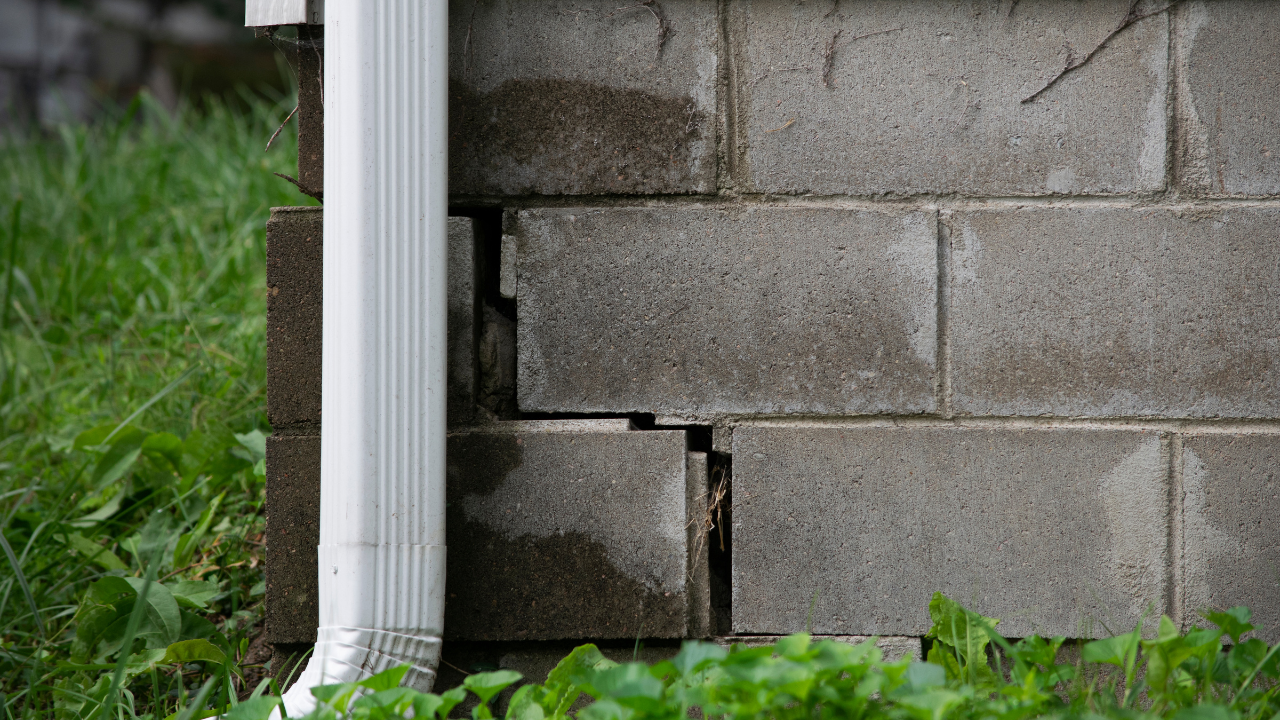
Few words make buyers more nervous than “foundation issue.”
While most Denver homes do not have major structural problems, inspectors are trained to look for signs that may warrant further evaluation.
Common concerns include:
- Large foundation cracks
- Uneven floors
- Doors and windows that stick
- Evidence of shifting or settlement
Many older homes naturally settle over time, but buyers typically want reassurance that any movement is normal and not an ongoing concern.
For historic homes in neighborhoods like Park Hill, inspectors often note age-related settling that may not necessarily indicate a structural problem.
Should You Renovate Before Selling Your Home in Denver?
Electrical Systems Frequently Generate Questions
Electrical systems are another area buyers pay close attention to.
Inspectors commonly review:
- Electrical panels
- Grounding and bonding
- GFCI outlets
- Exposed wiring
- Older electrical components
For older Denver homes, electrical updates can be especially relevant. While many historic properties have been modernized over time, buyers often want confidence that the home’s systems are functioning safely.
Plumbing Issues Can Quickly Become Negotiation Points

Water has a way of getting attention.
Inspectors often look for:
- Leaks under sinks
- Water pressure issues
- Corrosion
- Drainage concerns
- Water heater condition
Even relatively minor plumbing issues can create concern because buyers may wonder what larger issues exist behind the walls.
Fortunately, many plumbing-related findings are relatively inexpensive to address before listing.
HVAC Systems Are Important for Denver Buyers
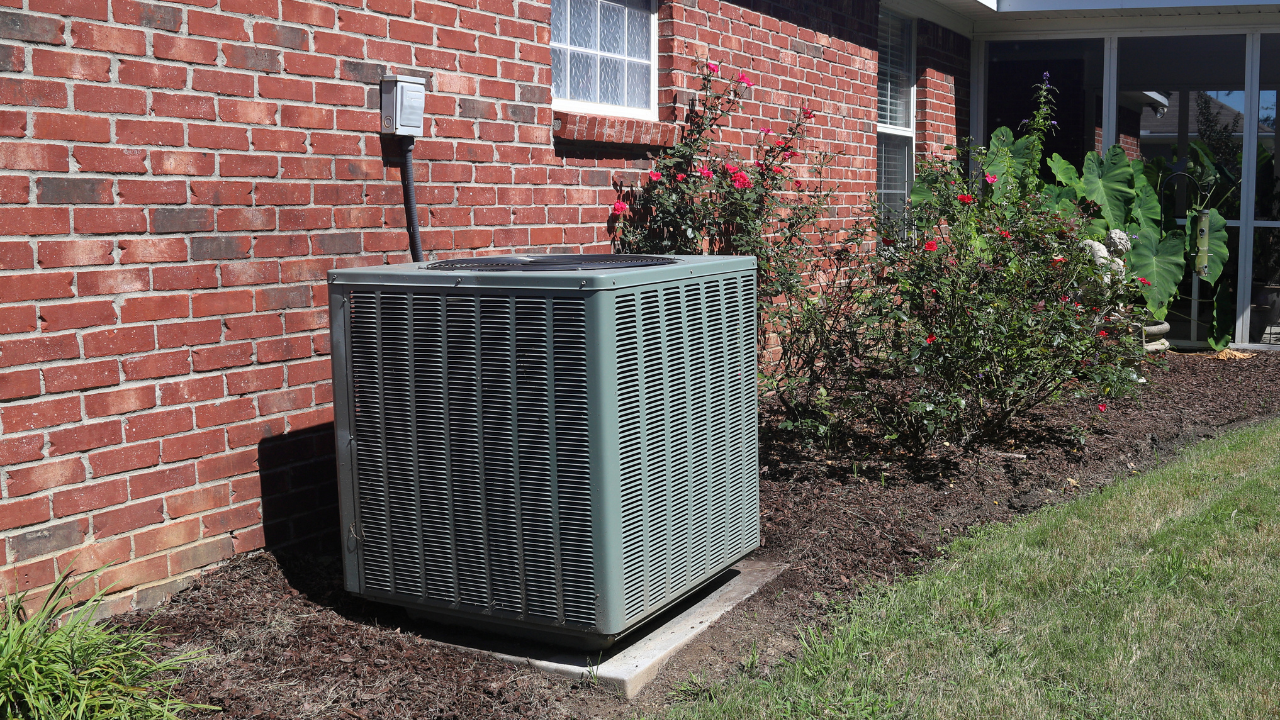
Denver’s climate makes heating and cooling systems especially important.
Inspectors typically evaluate:
- Furnace operation
- Air conditioning performance
- Filter maintenance
- Ventilation systems
- Overall system age
Buyers are often less concerned about a perfectly new HVAC system and more interested in knowing the equipment is functioning properly and has been maintained.
Providing service records can help build confidence during the inspection process.
Moisture and Drainage Problems Get Attention
One of the most important things inspectors look for in Denver homes is evidence of moisture.
Areas commonly reviewed include:
- Basements
- Crawl spaces
- Window wells
- Gutters and downspouts
- Exterior grading
Even in Colorado’s relatively dry climate, drainage issues can create long-term concerns if left unaddressed.
Buyers tend to pay close attention to moisture-related findings because water intrusion can lead to larger maintenance expenses down the road.
What Buyers Actually Care About Most
Here’s the part many sellers find surprising.
Not every inspection finding matters equally.
A report may contain dozens of observations, but buyers often focus on a smaller group of concerns:
- Safety issues
- Major system failures
- Expensive future repairs
- Water intrusion
- Structural concerns
Cosmetic issues and routine maintenance items are typically less likely to derail a transaction.
This is why preparation matters. Addressing obvious maintenance concerns before listing can help buyers focus on the strengths of the home instead of fixating on smaller issues.
What Affects Home Value in Denver? A Local Breakdown
Should Sellers Get a Pre-Listing Inspection?
In some situations, a pre-listing inspection can be beneficial.
Benefits may include:
- Identifying issues before buyers do
- Creating a repair strategy
- Reducing surprises during negotiations
- Building confidence in the home’s condition
A pre-listing inspection is not necessary for every home, but it can provide useful information when preparing a selling strategy.
Key Findings
- Inspectors focus on major systems, safety concerns, and maintenance issues
- Roofs, foundations, electrical systems, plumbing, and HVAC systems receive significant attention
- Moisture and drainage concerns often influence negotiations
- Buyers usually focus on major issues rather than cosmetic items
- Preparation can reduce surprises during the inspection period
Final Walk Through
Understanding what inspectors look for in Denver homes can help sellers approach the process with greater confidence.
Most buyers are not expecting perfection. They are looking for reassurance that the home’s major systems are functioning properly and that there are no significant surprises waiting for them after closing.
Addressing concerns proactively and maintaining realistic expectations can help make the inspection period smoother for everyone involved.
If you’re preparing to sell and want guidance on which repairs or improvements may be worth addressing before listing, a localized consultation can help you prioritize the projects that matter most to today’s buyers.


