Take a walk through Park Hill and you’ll quickly notice something that sets the neighborhood apart from many other parts of Denver: the architecture.
From stately Tudors and Denver Squares to charming brick bungalows and American Foursquares, Park Hill is home to one of the largest collections of historic residential architecture in the city. These homes have helped define the neighborhood for more than a century, attracting generations of homeowners who appreciate character, craftsmanship, and a sense of history.
But why were so many historic homes built here in the first place?
The answer lies in Denver’s growth, transportation history, and the vision behind one of the city’s earliest planned neighborhoods.
Why Does Park Hill Have So Many Historic Homes?
Quick Answer:
Many of the historic homes in Park Hill Denver were built during the neighborhood’s rapid development between the early 1900s and the 1940s. As Denver expanded eastward, Park Hill became one of the city’s first planned residential neighborhoods, attracting homeowners seeking larger lots, modern infrastructure, and architecturally distinctive homes.
Park Hill Was Designed During Denver’s Early Growth Boom
At the turn of the 20th century, Denver was growing rapidly.
As the city’s population increased, development expanded beyond downtown and into surrounding residential areas. Park Hill emerged during this period as a thoughtfully planned neighborhood designed to offer residents a more spacious and residential alternative to the increasingly dense urban core.
Developers envisioned:
- Wide streets
- Large residential lots
- Tree-lined parkways
- Attractive architecture
- Easy access to downtown
This planning helped create the foundation for many of the historic homes in Park Hill Denver that remain today.
Streetcars Made Neighborhood Expansion Possible
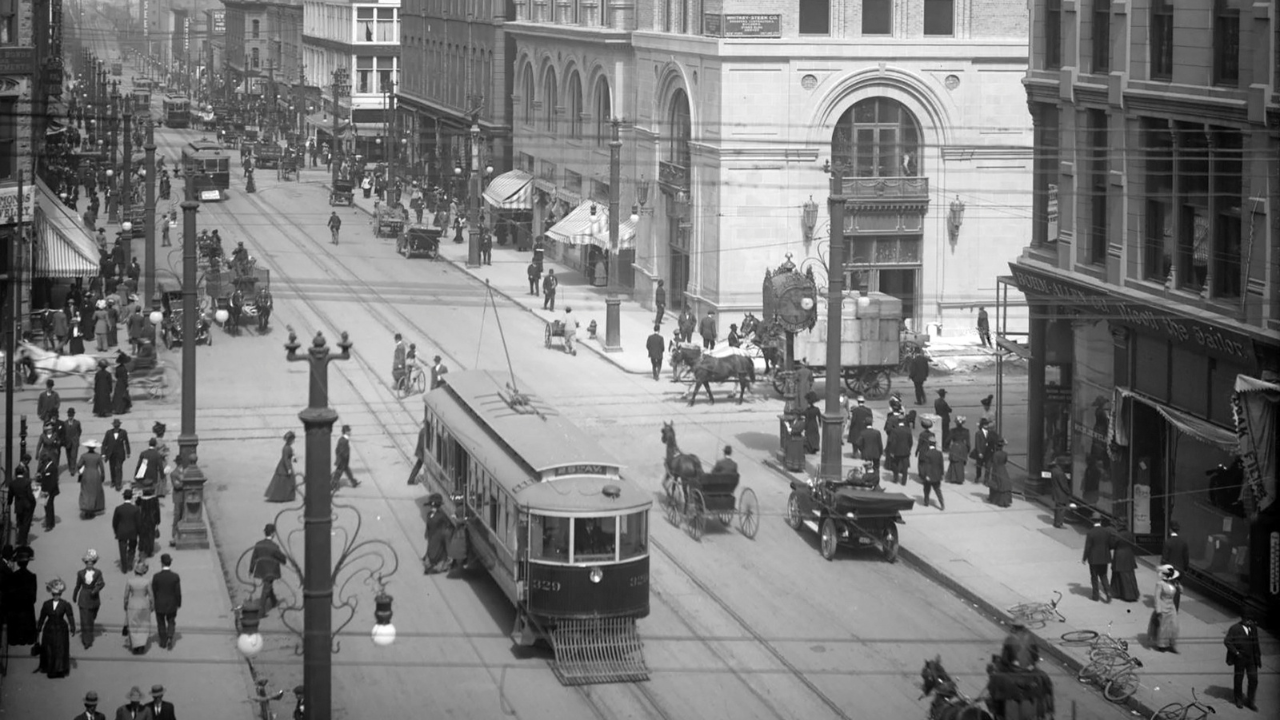
One of the biggest reasons so many homes were built in Park Hill was transportation.
Before widespread automobile ownership, Denver residents relied heavily on streetcars to move throughout the city. Park Hill was strategically connected to downtown through Denver’s expanding streetcar system, making it possible for residents to live farther from the city center while still commuting efficiently.
Because of this accessibility, Park Hill became one of Denver’s earliest “streetcar suburbs.”
As more residents moved into the neighborhood, builders responded by constructing homes that reflected the architectural trends of the era.
Architectural Variety Was Part of the Appeal
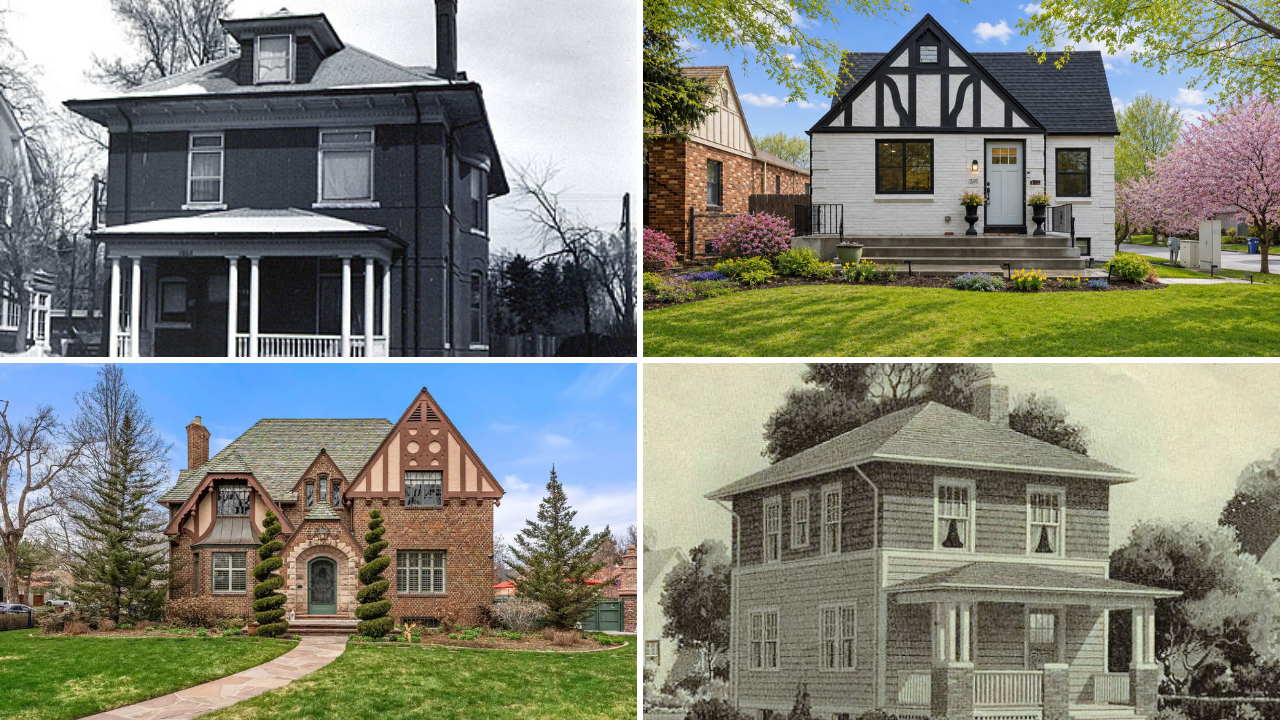
Unlike many modern subdivisions where homes are built from a limited number of floor plans, Park Hill developed over several decades.
This allowed for a wider range of architectural styles to emerge, including:
- Tudor Revival homes
- Denver Squares
- American Foursquares
- Craftsman bungalows
- Colonial Revival homes
Today, that variety is one of the defining characteristics of historic homes in Park Hill Denver.
Many buyers are drawn to the neighborhood specifically because each block offers a unique mix of architecture rather than a repetitive streetscape.
5 Types of Historic Homes in Park Hill and Denver
The Neighborhood Attracted Long-Term Investment
Many of Park Hill’s homes were built during a period when craftsmanship and durability were prioritized.
Builders commonly incorporated:
- Solid masonry construction
- Hardwood floors
- Built-in cabinetry
- Decorative millwork
- Custom architectural details
These features helped homes stand the test of time and continue contributing to the neighborhood’s appeal today.
Unlike some newer construction designed around efficiency and speed, many of Park Hill’s historic homes were intended to be long-term family residences.
Why So Many Homes Were Built Between 1920 and 1940
The majority of Park Hill’s housing stock was built during a period of significant residential growth.
Several factors contributed:
Population Growth
Denver continued attracting new residents throughout the early 20th century.
Economic Expansion
Growing industries and businesses created demand for housing.
Available Land
Park Hill still offered large undeveloped areas suitable for residential construction.
Architectural Trends
Styles like Tudors, Four Squares, and bungalows were extremely popular during this period. As a result, many of the historic homes in Park Hill Denver that remain today date from this era.
Why Buyers Still Love Historic Homes in Park Hill
More than 100 years later, these homes continue attracting buyers for many of the same reasons they appealed to residents decades ago.
Popular features include:
- Unique architecture
- Mature landscaping
- Larger lots
- Historic character
- Established neighborhood feel
For many buyers, historic homes offer something increasingly difficult to find in newer developments: individuality. New vs. Historic Homes in Park Hill: Key Differences to Know Before You Buy
No two homes are exactly alike, and architectural details often create a stronger sense of place and connection to the neighborhood.
Historic Homes Help Define Park Hill’s Identity
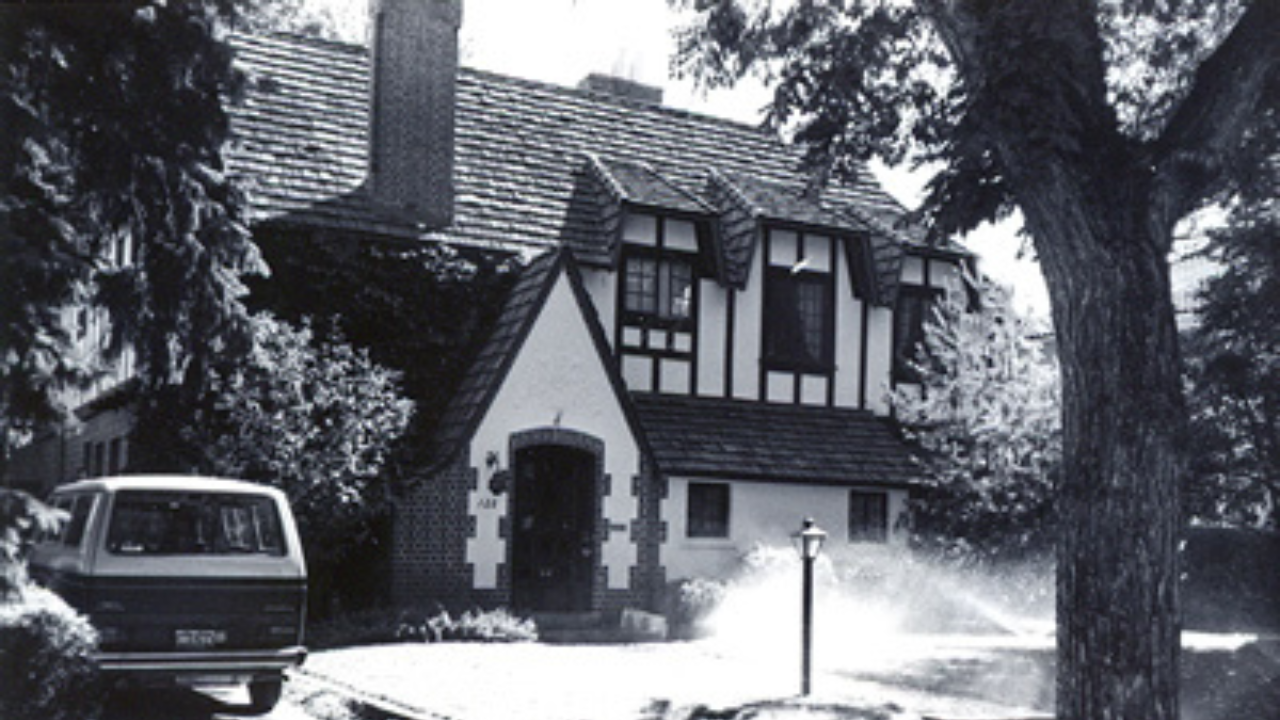
Architecture plays a major role in shaping how a neighborhood feels.
In Park Hill, historic homes contribute to:
- Walkability
- Visual character
- Neighborhood identity
- Long-term desirability
The preservation of these homes has helped Park Hill maintain much of its original charm while continuing to evolve alongside the rest of Denver.
This balance between history and modern living remains one of the neighborhood’s strongest attributes.
A Guide to Park Hill Denver Neighborhoods: North, South, and Beyond
Final Thoughts
The abundance of historic homes in Park Hill is not accidental.
It reflects a unique moment in Denver’s history when thoughtful planning, architectural craftsmanship, and residential growth converged to create one of the city’s most recognizable neighborhoods.
Today, those homes continue to tell the story of Park Hill’s development while providing residents with a living connection to Denver’s past.
Interested in learning more about Park Hill’s historic homes and architectural styles? Exploring the neighborhood’s history can provide valuable insight into what makes this area one of Denver’s most enduring residential communities.


