WATCH NOW: Renovated vs. Original Park Hill Homes: What’s Actually Worth Paying For?.
Quick Answer: A fully renovated Park Hill home is not automatically worth paying more for. The best value depends on the quality and cost of the renovation, the condition of major systems, the home’s original architecture, and how the price compares with similar Park Hill properties. Buyers should evaluate both visible improvements and less obvious updates such as the roof, electrical, HVAC, plumbing, and sewer line.
“Renovated” might be one of the most powerful words in a real estate listing.
New kitchen. New bathrooms. New floors. New fixtures.
But does renovated automatically mean more valuable?
Not necessarily.
In Park Hill, where homes range from century-old Tudors and Craftsman bungalows to mid-century properties and completely remodeled homes, deciding what is actually worth paying for can be complicated.
That’s the topic I break down in the Park Hill Pro YouTube video Renovated vs. Original Park Hill Homes: What’s Actually Worth Paying For?.
For buyers, the question isn’t simply whether a house is renovated. It’s whether those renovations justify the premium you’re being asked to pay.
For sellers, the question isn’t how much you can renovate before listing. It’s which improvements are most likely to matter to buyers without spending money you may never recover.
And sometimes, the original Park Hill house wins.
Are Renovated Homes in Park Hill Worth Paying More For?
Renovated homes in Park Hill can be worth paying more for when the improvements address high-value areas such as kitchens, bathrooms, major mechanical systems, and functional deficiencies. But expensive or highly personalized renovations don’t necessarily add value equal to their cost.
The key word is value.
If a seller spends $150,000 renovating a house, that doesn’t automatically make the house worth $150,000 more.
Some improvements dramatically change how buyers perceive a property. Others have diminishing returns.
That’s why Park Hill buyers should look beyond the word “renovated” and ask a more important question:
What was actually renovated, and how much is it worth to me?
Which Home Renovations Matter Most to Buyers?
Not every improvement carries equal weight.
For most buyers, renovations generally fall into two categories:
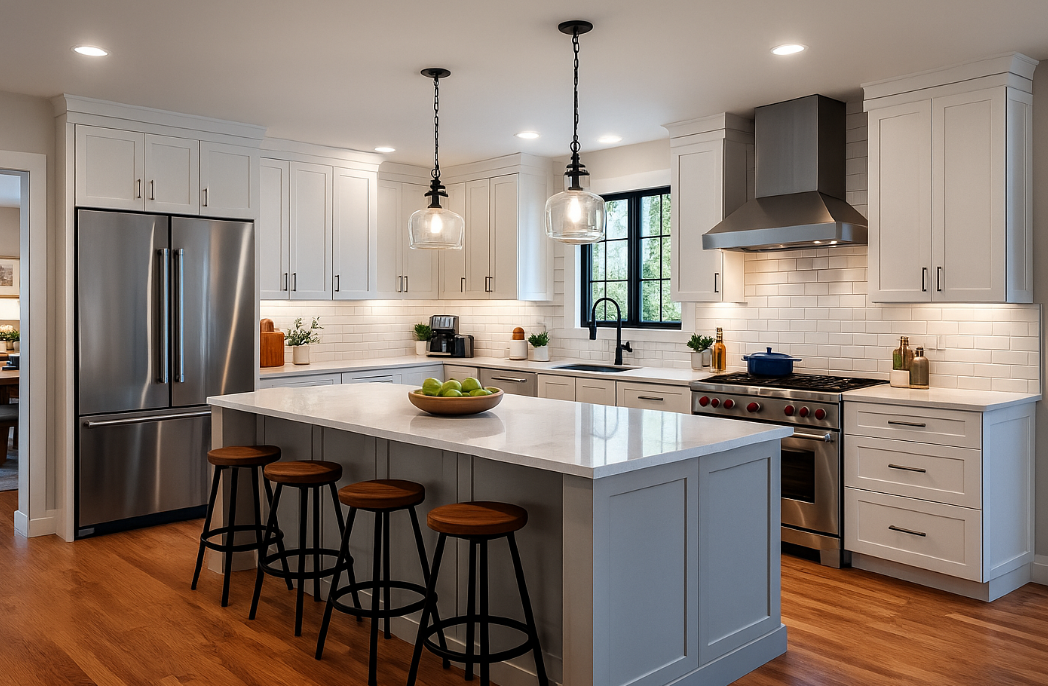
Visible renovations are the improvements you notice during the first five minutes of a showing.
Think:
- Kitchens
- Bathrooms
- Flooring
- Lighting
- Paint
- Cabinetry
- Countertops
Then there are invisible renovations.
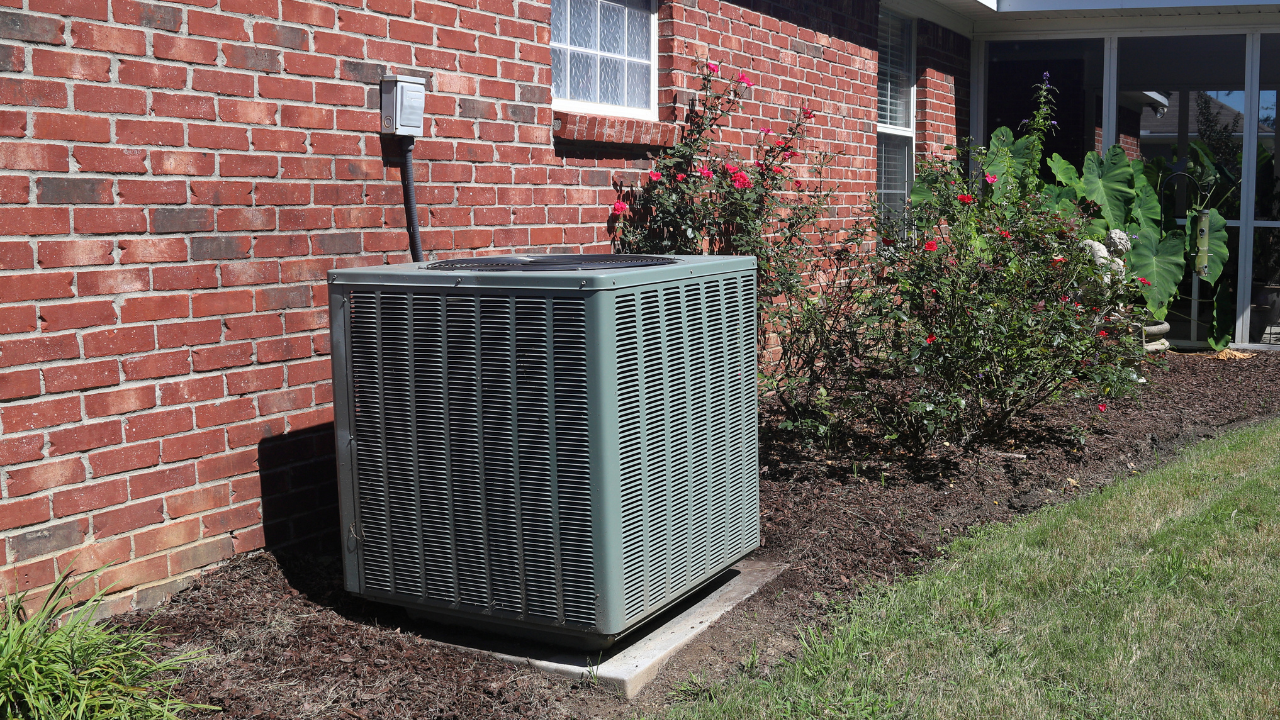
These aren’t likely to make the listing photos, but they can have an enormous impact on the true condition and ownership cost of the home.
Think:
- Roof
- Electrical system and panel
- Furnace or boiler
- Air conditioning
- Plumbing
- Water heater
- Sewer line
- Drainage
- Foundation and structural work
Buyers tend to respond emotionally to the first category.
The second category often becomes very important during inspections and due diligence.
That distinction matters quite a bit in Park Hill because of the age of the neighborhood’s housing stock.
As we explain in Buying a Historic Home in Park Hill Denver: What to Expect, older Park Hill properties may have legacy plumbing, electrical systems, clay sewer lines, older HVAC equipment, or other systems that deserve additional evaluation.
A beautiful kitchen doesn’t make those things disappear.
Are Kitchen and Bathroom Renovations Worth It?
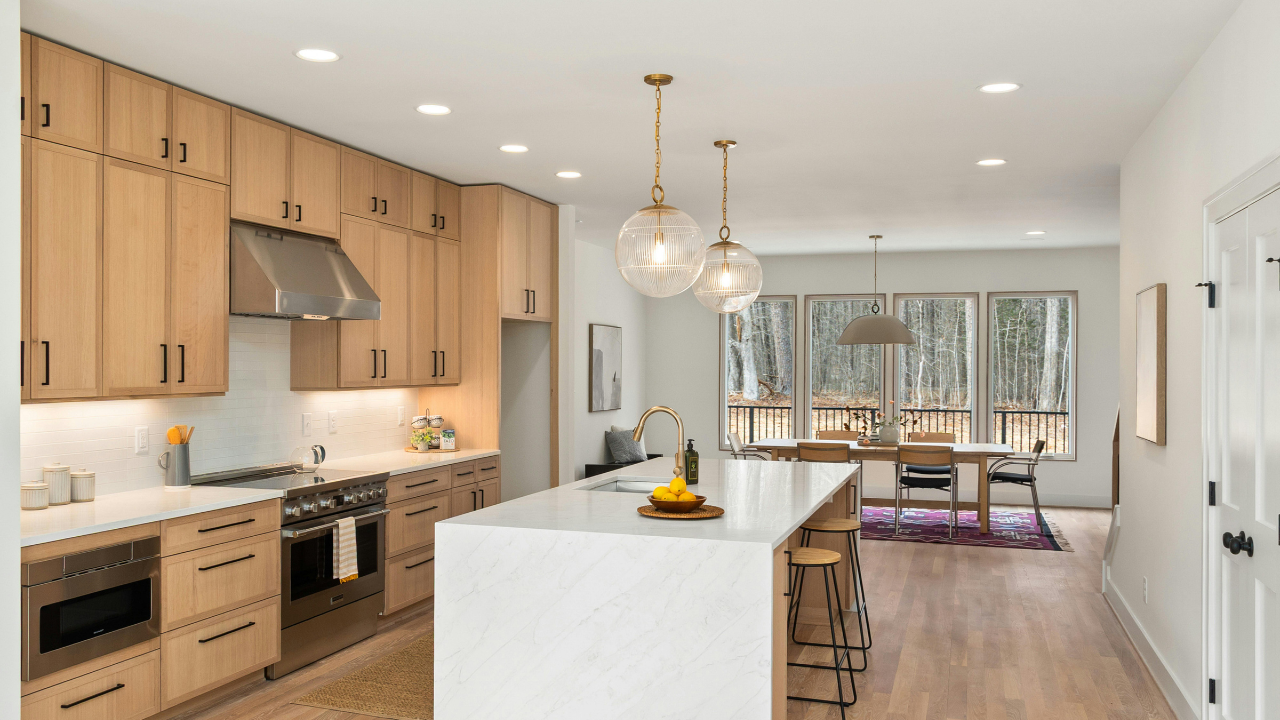
Kitchens and bathrooms can have an outsized effect on buyer perception, but the amount spent matters. A strategic refresh can improve marketability without requiring a complete luxury remodel.
Imagine two Park Hill kitchens.
One seller spends a reasonable amount updating counters, lighting, appliances, cabinet hardware, and finishes.
Another tears everything out and builds an ultra-custom luxury kitchen.
Both kitchens may be more attractive than what was there before.
But the second seller shouldn’t automatically assume every additional dollar spent will come back at resale.
There’s a point of diminishing returns.
We’ve discussed the same idea previously in Should You Renovate Before Selling Your Home in Denver?. Strategic improvements can sometimes make more sense than complete renovations, particularly when the goal is preparing a property for sale.
For many sellers, the better strategy is:
Refresh, don’t reinvent.
Paint the cabinets if they’re structurally sound. Replace dated hardware. Improve lighting. Address visibly worn surfaces. Fix what’s broken.
A $100,000 kitchen isn’t automatically going to outperform a thoughtful $25,000 update by $75,000 when the home sells.
What Renovations Are Worth Paying a Premium for as a Buyer?
If you’re buying a renovated Park Hill home, focus on improvements that either enhance everyday living or reduce the likelihood of major near-term expenses.
An updated kitchen or primary bathroom certainly has value, especially if you would otherwise renovate those spaces yourself.
But don’t stop there.
Ask about:
Roof age: Has it been replaced recently?
HVAC: How old is the furnace, boiler, or air-conditioning system?
Electrical: Has the electrical system or panel been updated?
Plumbing: What material is present and what has been replaced?
Sewer: Has the sewer line been repaired, replaced, or scoped recently?
Windows: Are they original, restored, or replaced?
Drainage: Does water properly move away from the foundation?
These improvements aren’t glamorous.
Nobody walks into an open house and says, “Wow, look at that sewer line.”
But you’ll care quite a bit about it if there’s a major issue six months after closing.
Our guide to What Inspectors Look for in Denver Homes goes deeper into the systems and maintenance issues that can become important during the inspection process.
Why Original Park Hill Homes Can Still Be Valuable
Original Park Hill homes can compete with renovated properties because architectural character, craftsmanship, location, and renovation potential all contribute to value. A structurally sound original home priced appropriately can be particularly attractive to buyers who want to choose their own finishes.
This is where Park Hill is different from a neighborhood filled primarily with newer construction.
The neighborhood’s architecture is part of what people are buying.
Park Hill includes Tudors, American Foursquares, Craftsman bungalows, Denver Squares, mid-century homes, and other distinctive architectural styles.
Many contain features that are difficult, expensive, or sometimes impossible to recreate authentically:
- Original hardwood floors
- Arched doorways
- Built-in cabinetry
- Historic millwork
- Original fireplaces
- Decorative brickwork
- Vintage tile
- Leaded or historic windows
- Original doors and hardware
Park Hill Pro’s Why So Many Historic Homes Were Built in Park Hill explores how this housing stock became such a defining feature of the neighborhood.

The important distinction is between original and neglected.
They’re not synonyms.
A home can retain original architectural details while being extremely well maintained.
And for some Park Hill buyers, that’s preferable to walking into a 1920s Tudor that has been remodeled until it looks indistinguishable from a newly built house.
Can Renovating a Historic Home Actually Remove Value?
It depends on the property and the buyer.
Modernization isn’t inherently bad. In fact, many Park Hill homes benefit enormously from updated kitchens, bathrooms, mechanical systems, and more functional layouts.
The problem comes when renovation eliminates the features that made the property distinctive in the first place.
Removing original woodwork, replacing period-specific details with trendy finishes, or creating a design that feels disconnected from the home’s architecture may appeal to some buyers while turning away others specifically searching for historic character.
Park Hill Pro’s Historic vs. Modern Homes in Park Hill looks more closely at this tradeoff.
Often, the sweet spot is somewhere in between:
Preserve the character. Modernize the function.
Why an Original Park Hill Home May Be the Better Buy
There’s another reason buyers shouldn’t automatically dismiss an original home.
You may be able to buy it for less.
Suppose you’re comparing two otherwise similar Park Hill homes.
One has already been renovated according to someone else’s taste and carries a significant price premium.
The other has a dated kitchen and bathrooms but good bones, desirable architecture, and well-maintained major systems.
The second home could give you room to negotiate on price and eventually renovate according to your own preferences.
Instead of paying for someone else’s marble countertops, cabinet colors, tile choices, and fixtures, you’re putting that money toward improvements you actually want.
The math isn’t always that simple, of course. Renovations involve contractors, permits, timelines, unexpected expenses, and plenty of inconvenience.
That’s why buyers need to calculate the total cost to get the home where they want it, not simply compare list prices.

How Can Buyers Tell if a Renovation Was Done Properly?
Start asking questions before you’re emotionally attached to the kitchen island.
Ask:
- What work was completed?
- When was it completed?
- Who performed the work?
- Were permits required?
- Were permits obtained and closed?
- Were the electrical and plumbing systems updated?
- How old are the roof and HVAC systems?
- Has the sewer been scoped?
- Are invoices or warranties available?
- Were structural changes made?
The City and County of Denver maintains permitting requirements and records for many types of residential construction, and buyers can investigate the history of work completed on a property when appropriate.
The goal isn’t to prove that every improvement required a permit.
It’s to understand whether the home’s appearance accurately reflects its underlying condition.
What Should Park Hill Sellers Renovate Before Listing?
Quick Answer: Most Park Hill sellers should prioritize maintenance, presentation, and strategic updates before considering a major remodel. The right projects depend on the home’s condition, architecture, price range, and likely buyer.
For sellers, the temptation is to look at beautifully renovated listings and think:
“We need to do all of that before we sell.”
Usually, you don’t.
Start with the things that make the home feel maintained and cared for.
Fresh paint, refinished hardwood floors, improved lighting, professional cleaning, landscaping, repaired trim, and selective kitchen or bathroom updates can change how buyers experience a property without requiring a six-figure renovation.
That’s also the approach we discuss in Selling This Spring? 5 Ways to Prep Your Park Hill Home for the Market.
If your home has beautiful original features, think carefully before removing them.
You may be eliminating exactly what differentiates your property from the competition.
Renovated vs. Original: Which Park Hill Home Is the Better Buy?
There isn’t a universal answer.
A renovated home may make sense if you value convenience, don’t want to manage construction, and believe the premium accurately reflects the quality of the work.
An original home may make sense if the property is structurally sound, retains desirable architectural features, is priced appropriately for its condition, and gives you enough financial room to make the improvements you want.
The real calculation looks more like this:
Current home value + necessary repairs + desired renovations + time and inconvenience = your true cost.
That’s much more useful than simply asking whether a house is renovated.
Frequently Asked Questions About Renovated and Original Park Hill Homes
Is it better to buy a renovated home in Park Hill?
It depends on the renovation quality, price premium, condition of the home’s major systems, and your willingness to complete future projects. A renovated home can offer convenience, while an original home may offer more flexibility and a lower initial purchase price.
What renovations add the most value to a Park Hill home?
Kitchens, bathrooms, functional improvements, and major system updates can all influence buyer perception and marketability. However, the value added depends on the property’s starting condition, location, quality of work, and current buyer demand.
Are original features valuable in Park Hill homes?
They can be. Original hardwoods, built-ins, millwork, fireplaces, arches, masonry, and other architectural details contribute to the character many buyers associate with historic Park Hill homes. Their impact on price depends on condition and buyer preferences.
Should I renovate my Park Hill home before selling?
Not necessarily. Strategic repairs and targeted improvements can sometimes make more financial sense than a major renovation. Evaluate the likely sale price before and after the project against the cost, timeline, and risk of completing the work.
What should I inspect in a renovated Park Hill home?
Pay particular attention to the roof, electrical system, HVAC, plumbing, sewer, drainage, foundation, windows, and any structural modifications. New cosmetic finishes shouldn’t replace a thorough inspection.
Should I preserve original features when renovating a historic Park Hill home?
In many cases, yes. Well-maintained original architectural features can differentiate a Park Hill property. Thoughtful renovations can update functionality while preserving the details that give the home its historic character.
The Park Hill Rundown
The question isn’t really renovated vs. original.
It’s:
What is this specific home’s current condition worth, and what would it actually cost to get it where you want it?
For buyers, that means looking beyond beautiful listing photos and calculating what you’re actually receiving for the renovation premium.
For sellers, it means resisting the assumption that spending more automatically creates more value.
And in Park Hill specifically, don’t underestimate original character.
A well-maintained Tudor, Craftsman bungalow, Foursquare, or mid-century home doesn’t necessarily need to be stripped down and rebuilt to compete with renovated inventory. Sometimes the details everyone else is ripping out are exactly what the next buyer wants.
Before paying a premium for a renovation or starting one yourself, understand the difference between money spent and value created.
Want to dig deeper? Watch the full Park Hill Pro video, Renovated vs. Original Park Hill Homes: What’s Actually Worth Paying For?, where Erik breaks down what buyers should pay for, what sellers should update, and where original Park Hill homes can still come out ahead.


