If you are planning to buy a home in the Denver area, one of the biggest decisions may not be whether to buy at all. It may be where.
Over the past few years, more buyers have expanded their search beyond Denver into surrounding suburbs, looking for different price points, lot sizes, and lifestyle options. At the same time, many buyers still prioritize Denver neighborhoods like Park Hill for their character, location, and long-term appeal.
So which option makes more sense right now?
The answer depends on what matters most to you, how you plan to use the home, and what type of lifestyle you want day to day.
Quick Answer: Is It Better to Buy in Denver or the Suburbs?
Buying in Denver often offers strong, walkable communities, established neighborhoods, and long-term demand, while suburban areas may provide larger homes, newer construction, and different price-per-square-foot opportunities.
What Buying in Denver Typically Offers
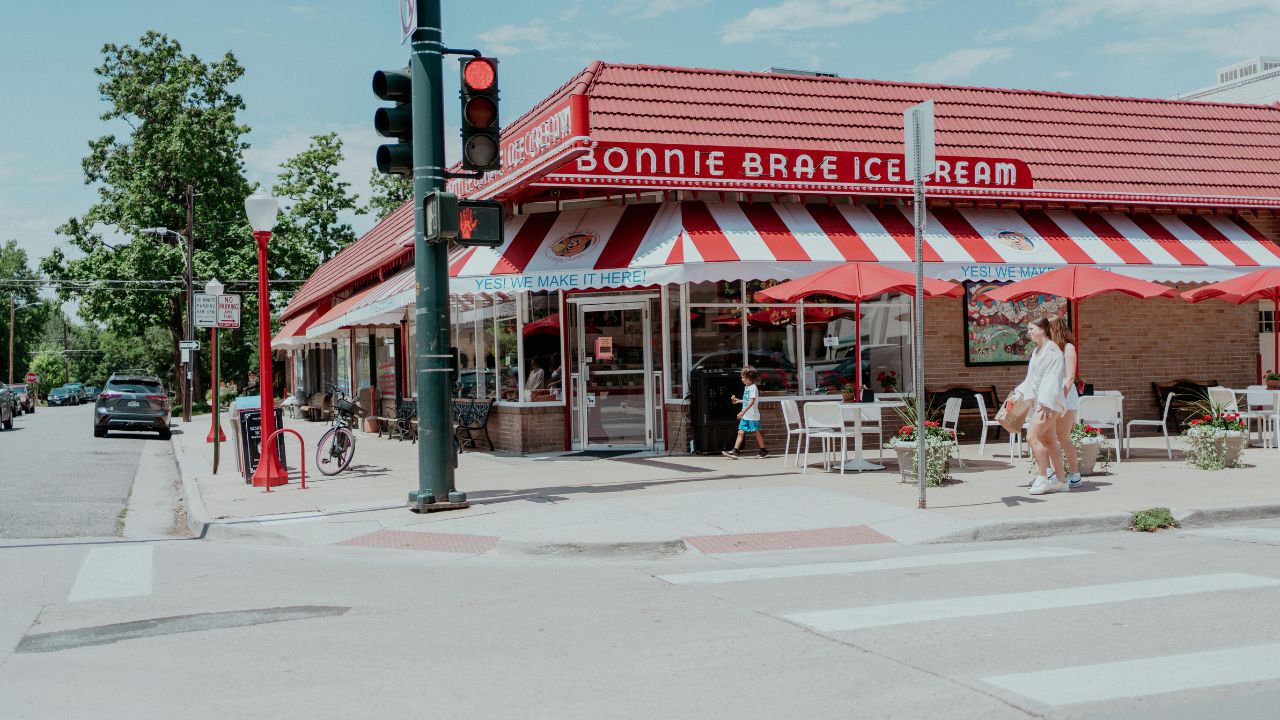
Buying within Denver often means prioritizing location, accessibility, and neighborhood character.
Neighborhoods like Park Hill, Congress Park, and Wash Park tend to offer:
- Established streets and mature landscaping
- Historic architecture and unique homes
- Closer proximity to restaurants, parks, and downtown
- Greater access to local amenities
For many buyers, the appeal of Denver comes down to convenience and lifestyle. Being able to access restaurants, coffee shops, City Park, and other local destinations without a long drive is part of the value.
In areas like Park Hill, homes also tend to carry more architectural individuality compared to newer suburban developments.
Check out the different types of architecture in Park Hill
What Buying in the Suburbs Typically Offers
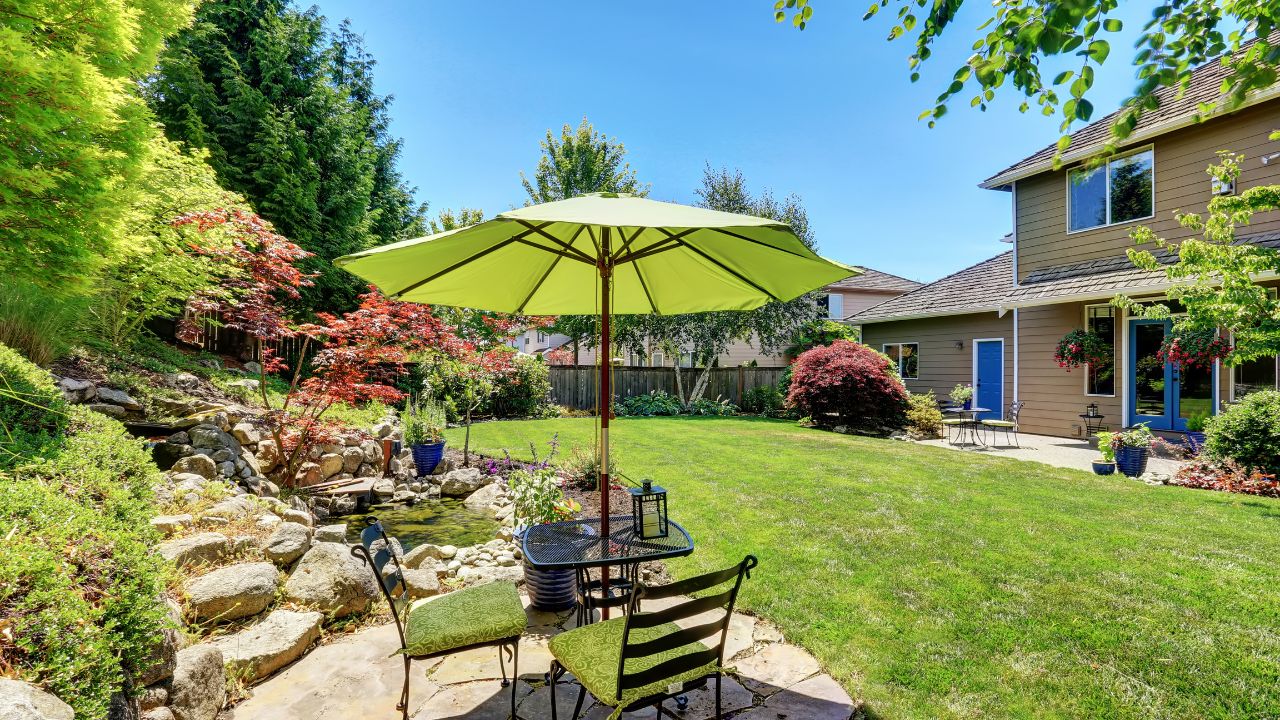
Suburban markets around Denver continue to attract buyers for different reasons.
Areas outside the city may offer:
- Larger homes and newer construction
- More inventory at certain price points
- Larger garages or additional storage
- Modern layouts and updated systems
In many suburban communities, buyers can often find newer homes with open-concept floor plans and less immediate maintenance compared to older properties closer to the city.
For some buyers, that tradeoff makes sense.
Price Per Square Foot Looks Different
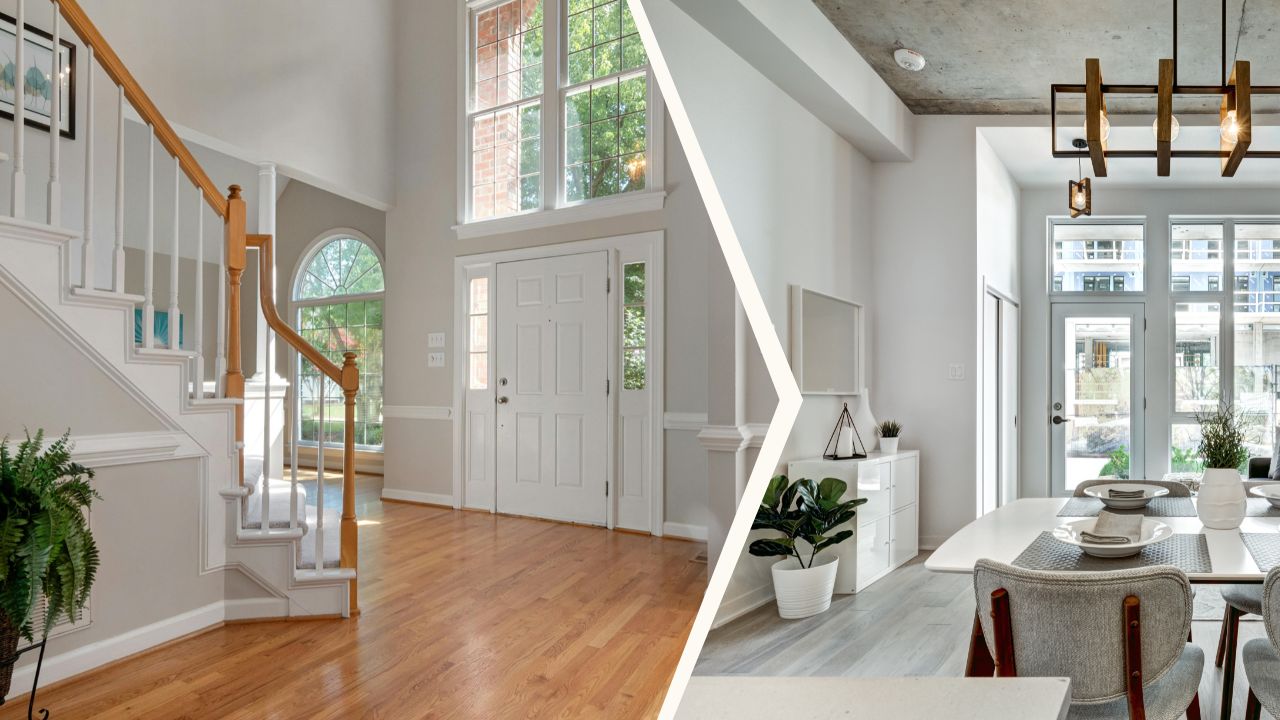
One of the biggest differences between Denver and surrounding suburbs is how price per square foot compares.
In Denver neighborhoods like Park Hill, buyers are often paying a premium for:
- Location
- Lot size
- Established neighborhood appeal
- Proximity to central Denver
Meanwhile, suburban homes may offer more square footage for the same price point.
However, larger square footage does not always translate to stronger long-term value. Location and demand still play a major role in how homes perform over time.
What Affects Home Value in Denver? A Localized Breakdown
Commute and Lifestyle Matter More Than Buyers Expect

One thing buyers often underestimate is how much daily routine influences satisfaction with a home purchase.
Questions worth considering:
- How often do you commute into Denver?
- Do you prioritize public transportation access or newer construction?
- How important is proximity to restaurants, parks, or cultural events?
- How much home maintenance are you comfortable with?
For some buyers, a longer commute is worth the additional space. For others, proximity and neighborhood feel outweigh square footage.
There is no universally better option. It comes down to priorities.
Market Stability Can Vary by Area
Denver and suburban markets can respond differently to broader housing trends.
Established neighborhoods within Denver often benefit from:
- Limited inventory
- Strong long-term demand
- Consistent neighborhood identity
Suburban markets may experience:
- Faster inventory growth
- More new construction competition
- Greater fluctuations tied to development cycles
Neither is inherently better, but understanding how different areas perform can help buyers make a more informed long-term decision.
How Population Growth can Impact Home Value: 2026 Update
Why Many Buyers Still Prioritize Park Hill
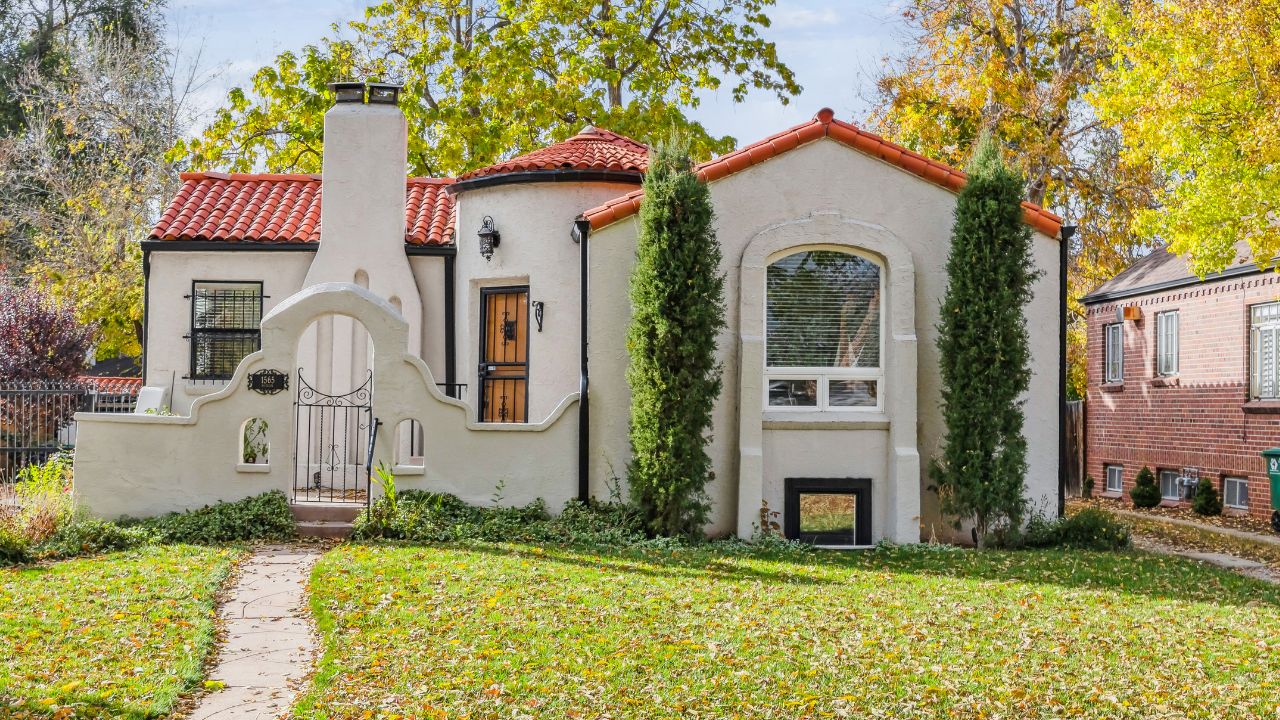
Even as suburban growth continues, neighborhoods like Park Hill remain highly desirable because they offer something difficult to recreate.
Tree-lined streets, larger lots, historic architecture, and proximity to City Park all contribute to the neighborhood’s long-term appeal.
For buyers who value established surroundings and character, these neighborhoods continue to stand out within the Denver market.
The Need-to-Knows
- Denver neighborhoods often prioritize location, character, and walkability
- Suburban homes may offer more space and newer construction
- Price per square foot varies significantly by location
- Lifestyle and commute preferences play a major role
- Established Denver neighborhoods often maintain strong long-term demand
Time to Prioritize
Buying in Denver versus the suburbs is less about which option is objectively better and more about which aligns best with your priorities.
Some buyers value space and newer homes. Others prioritize walkability, neighborhood identity, and access to the city.
The Denver metro area offers both, which is part of what makes the market unique.If you are deciding between Denver and the surrounding suburbs and want a better understanding of how different areas compare in today’s market, a local perspective can help narrow your search and clarify what makes the most sense for your goals.


