Certain home styles come and go. Tudor homes are not one of them.
With their steep rooflines, detailed craftsmanship, and unmistakable presence, Tudor-style homes have remained one of the most recognizable and enduring architectural styles in the United States. In neighborhoods like Park Hill, they are more than just homes. They are part of the identity of the area.
To understand why these homes continue to stand out today, it helps to look at where they came from and how they became such a defining feature in cities like Denver.
The Origins of Tudor Homes in America
Tudor-style homes in the United States are inspired by medieval English architecture, particularly from the late 15th and early 16th centuries. The American version, often referred to as Tudor Revival, gained popularity in the early 1900s through the 1940s.
These homes were designed to evoke a sense of craftsmanship and permanence. Unlike newer construction focused on efficiency and uniformity, Tudor homes emphasized detail, texture, and individuality.
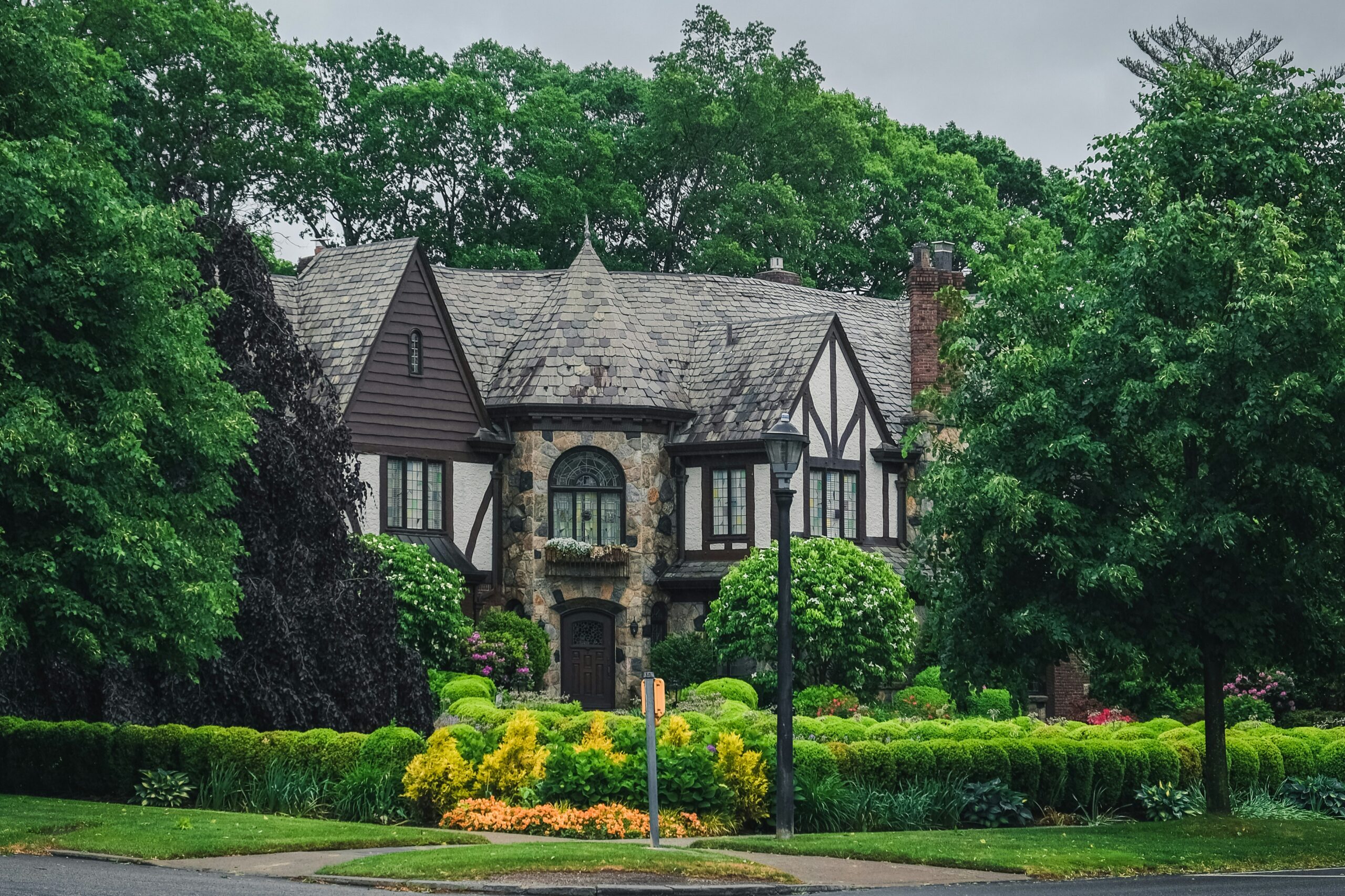
Common features include:
- Steeply pitched gable roofs
- Brick or stone exteriors
- Decorative half-timbering
- Tall, narrow windows often with multiple panes
- Prominent chimneys
- Arched doorways and asymmetrical layouts
By the time Tudor homes reached peak popularity in the United States, they had become associated with high-quality construction and distinctive design.
Why Tudor Homes Fit So Well in Denver
Denver saw significant residential growth in the 1920s through the 1940s, which aligned perfectly with the rise of Tudor Revival architecture.
Neighborhoods like Park Hill became ideal settings for these homes. Larger lot sizes, tree-lined streets, and thoughtful neighborhood planning allowed Tudor homes to fully express their architectural presence.
The climate also played a role. The steep rooflines and durable materials used in Tudor construction were well suited for Denver’s seasonal weather patterns.
Today, Tudor homes remain one of the most sought-after architectural styles in Park Hill because they offer something that is increasingly rare. Character that cannot be replicated.
A Closer Look at a Park Hill Tudor
A recently listed home in Park Hill offers a clear example of why this architectural style continues to resonate.
Built in 1942 and set on a rare corner lot totaling nearly 10,000 square feet, this home reflects many of the defining characteristics of Tudor design while maintaining its original integrity.
From the exterior, the home immediately establishes its presence with steep pitched gables, a prominent brick chimney, and a striking conical turret that creates a distinctive entry experience.
Inside, the architectural details continue to stand out.
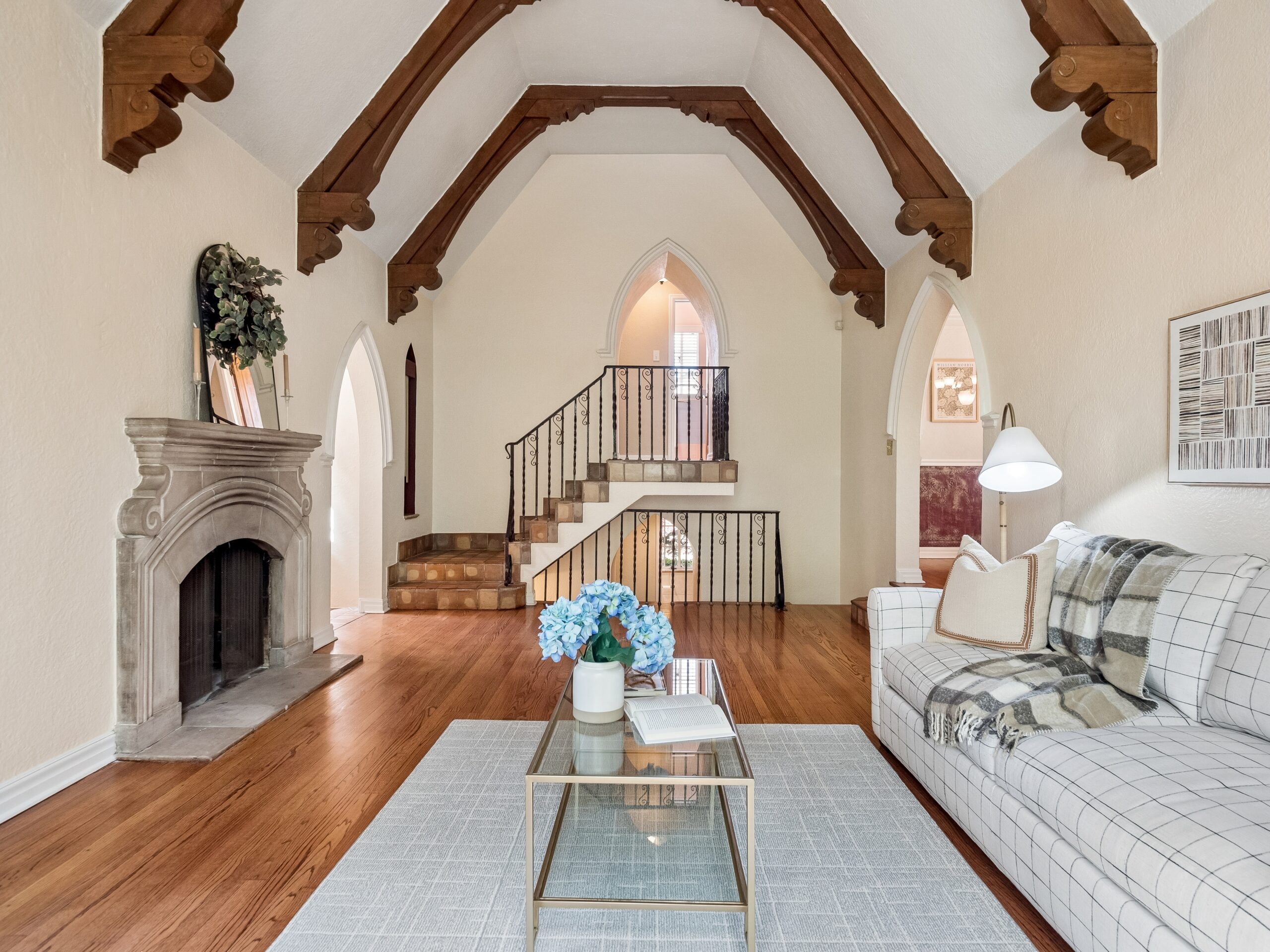
The vaulted living room serves as the centerpiece of the home, featuring exposed original timber beams, large arched windows, and an old-world fireplace that anchors the space. Natural light fills the room, highlighting the craftsmanship that defines the home’s interior.
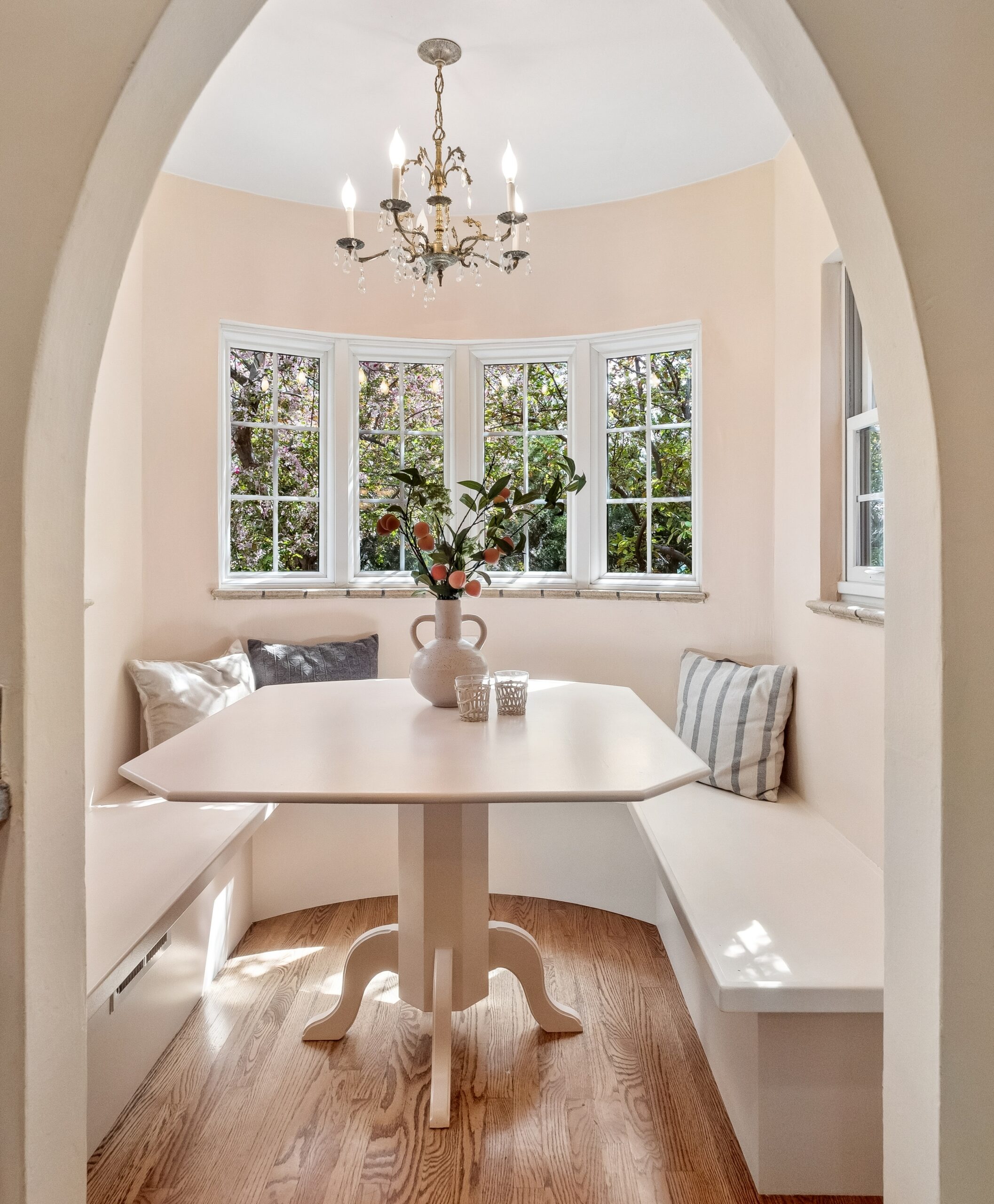
The layout balances traditional design with functional living. A formal dining room with detailed molding connects seamlessly to the living space, while the galley kitchen includes custom cabinetry, granite countertops, and a Viking range. A charming breakfast nook with built-in seating offers views of the surrounding landscaping.
Upstairs, original 1942 tile has been preserved in the bathroom, adding another layer of authenticity. Additional bedrooms and flexible living spaces across multiple levels create options for how the home can be used day to day.
The outdoor space is equally notable. Mature trees, garden areas, and both covered and open patios create a private setting, while a wrought-iron fence and brick paver driveway add to the home’s overall character.
Why Tudor Homes Continue to Hold Value
Tudor homes have remained desirable for one simple reason. They offer a level of detail and individuality that is difficult to recreate.
In neighborhoods like Park Hill, where architectural consistency and character are part of the appeal, these homes tend to maintain strong interest when they come to market.
Buyers are often drawn to:
- Unique architectural features
- Established neighborhood settings
- Larger lots and mature landscaping
- The craftsmanship associated with early 20th-century construction
Well-maintained Tudor homes, especially those that preserve original details while incorporating modern updates, often stand out in the market.
The Home That Shaped a Neighborhood
Tudor homes are more than a design style. They represent a period of architecture focused on craftsmanship, detail, and long-term quality.
In Park Hill, they continue to shape the look and feel of the neighborhood. And when a home combines original character with thoughtful updates and a rare lot size, it becomes something truly unique.
Opportunities like this do not come up often. Understanding the history behind these homes makes it even clearer why they continue to stand out today.