Love Historic Homes? Park Hill Is One of Denver’s Best Neighborhoods for Classic Architecture
Park Hill is one of Denver’s most architecturally rich neighborhoods, filled with Tudors, Denver Squares, Craftsman bungalows, Colonials, and mid-century homes dating back 70–120 years.
If you’re drawn to character, craftsmanship, mature tree canopies, and charming streets, Park Hill offers some of the most iconic historic homes in the city.
But buying a historic home—especially in a high-demand central Denver neighborhood—comes with unique considerations. Here’s what to expect, what to look out for, and how to make a confident purchase.
1. Understanding Park Hill’s Historic Architecture
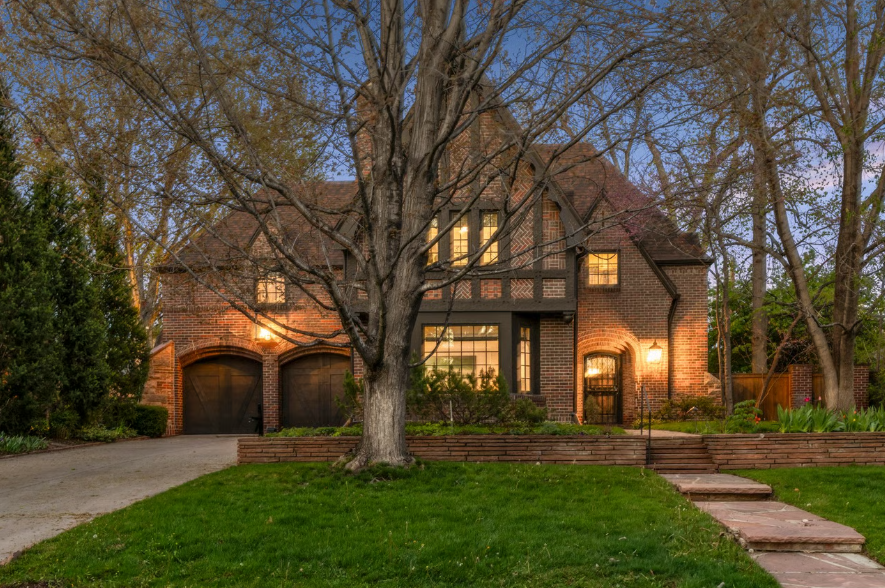
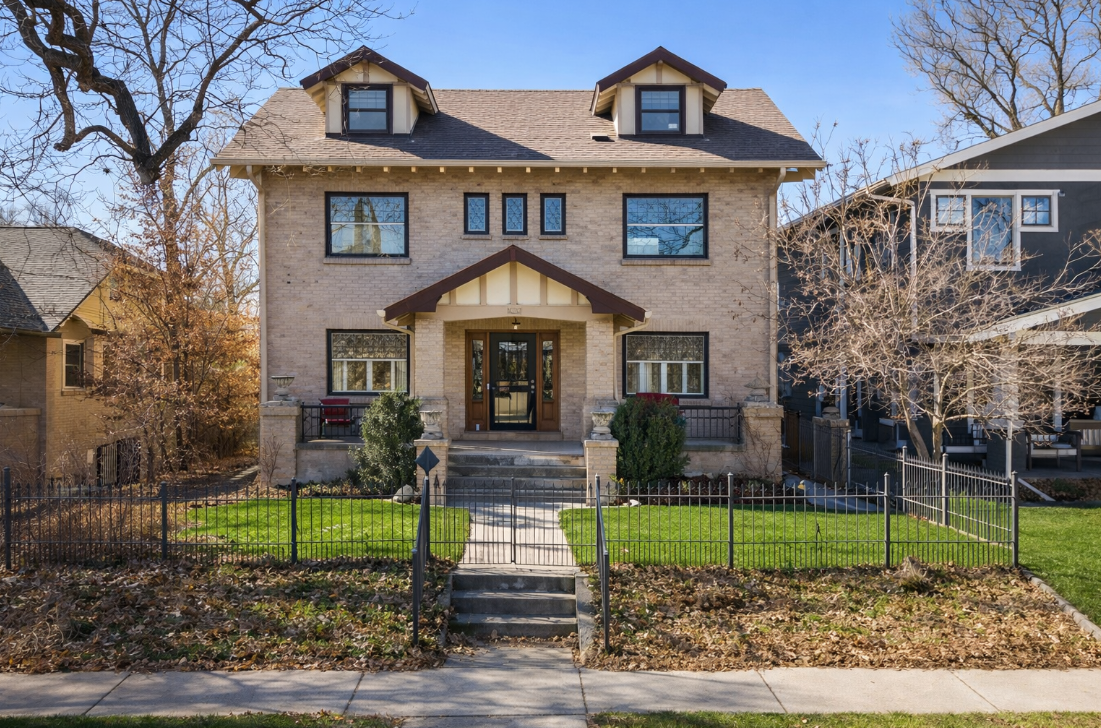
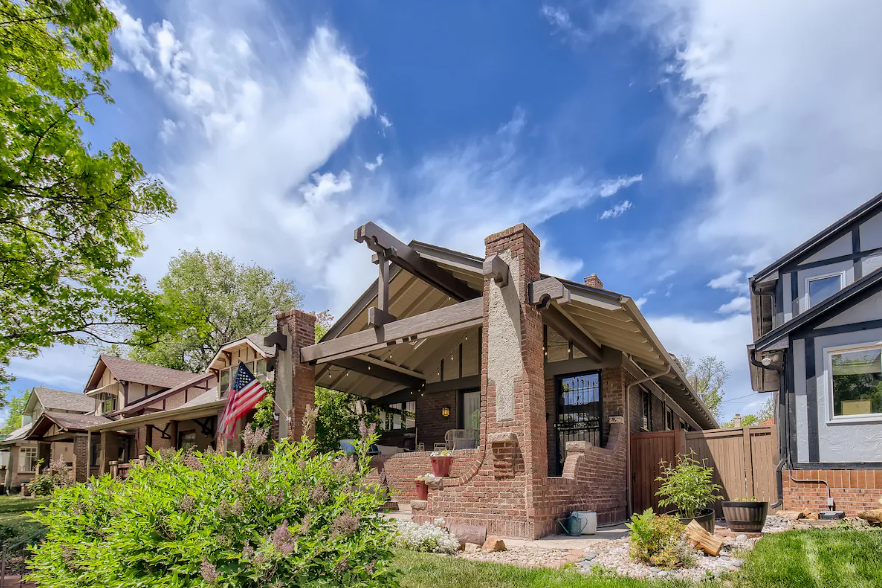
Park Hill homes were built during Denver’s architectural “golden era.” You’ll commonly find:
• Classic Tudors
Steep rooflines, arched doorways, handcrafted brickwork, leaded glass windows, and dramatic curb appeal.
• Denver Squares
Large, symmetrical two-story homes with spacious rooms, tall ceilings, and elegant detailing.
• Craftsman Bungalows
Warm, inviting interiors with built-ins, exposed woodwork, covered porches, and timeless charm.
• 1940s–1960s Mid-Century Homes
Brick ranches with large windows, functional layouts, and strong renovation potential.
These homes have unmistakable personality—but they also require specialized knowledge when buying.
2. Expect Older Systems (and Budget for Updates)
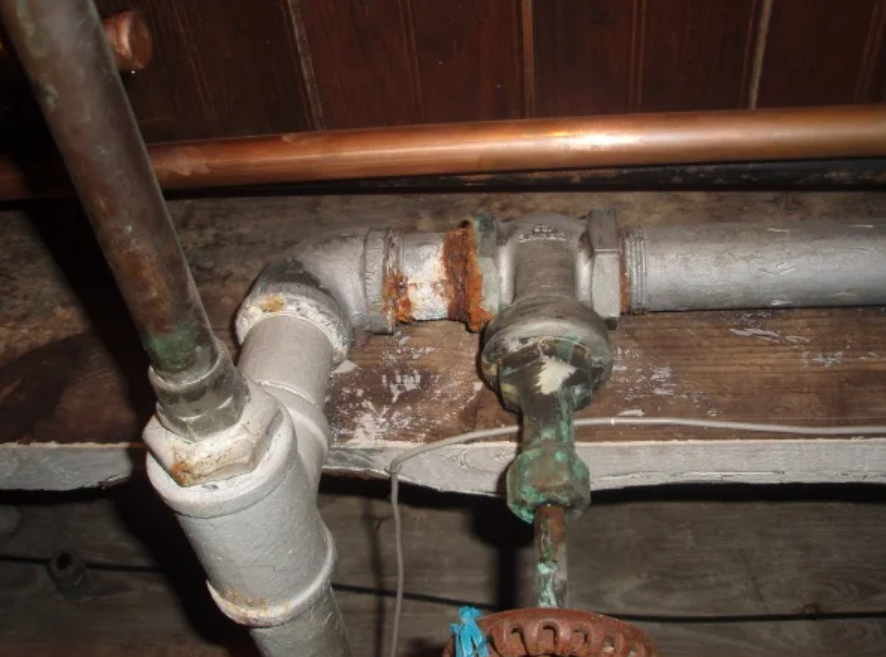


Many Park Hill homes still retain original or older major systems, including:
- Plumbing (galvanized or cast iron)
- Electrical panels and legacy wiring
- Clay sewer lines
- Foundations typical of early 1900s Denver construction
- Aging HVAC systems
Not all older systems are problematic—but a thorough inspection is critical. Historic homes require a different level of evaluation than new builds.
3. Sewer Scopes and Structural Inspections Are a Must

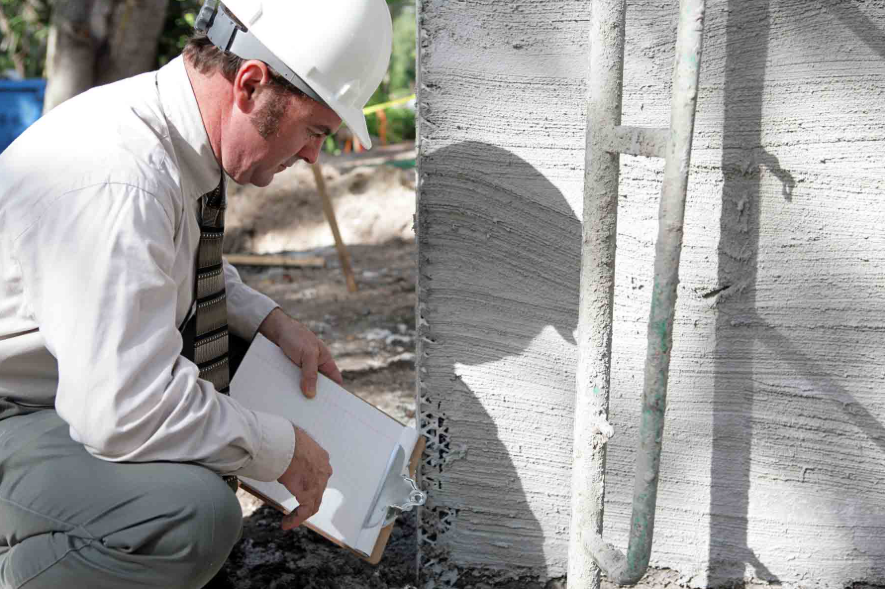
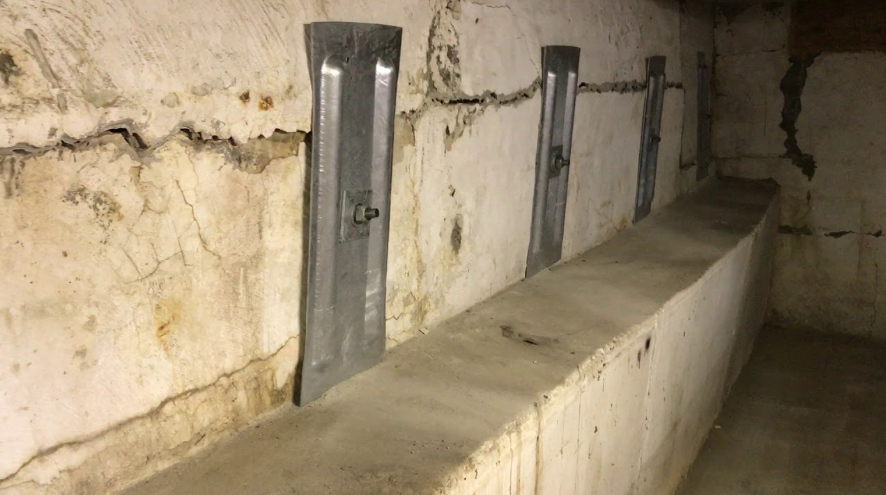
Denver’s historic neighborhoods often include:
- Settling foundations
- Mature tree roots interacting with underground lines
- Basement moisture patterns
- Clay sewer pipes
Before buying, you should always complete:
✔ Sewer scope
✔ Structural inspection
✔ Roof evaluation
✔ Drainage review
I handle these inspections regularly for Park Hill buyers and help you understand what’s normal for the neighborhood, what’s repairable, and what’s a red flag.
4. Beautiful Original Features Add Long-Term Value
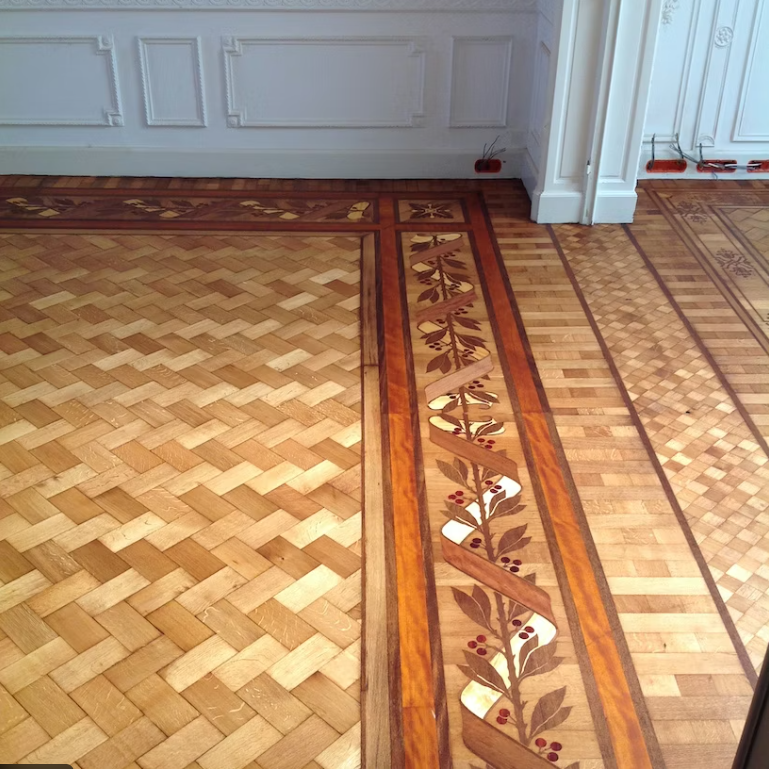


Park Hill homes often include irreplaceable architectural features:
- Original hardwood floors
- Real brick masonry
- Custom built-ins and detailed wood trim
- Arched entries
- Decorative fireplaces
- Vintage windows
- Large covered front porches
These elements create lasting desirability. Buyers seeking charm consistently choose Park Hill over neighborhoods filled with newer, cookie-cutter designs.
5. Renovated Historic Homes Offer the Best of Both Worlds


Many Park Hill homes have been thoughtfully updated while preserving their architectural integrity.
Common upgrades include:
- Opened-up floor plans
- Modern kitchens and baths
- Finished basements with proper egress
- Updated electrical and HVAC systems
- Restored original woodwork
These homes tend to sell quickly because they combine modern function with preserved character.
6. Appraisal and Insurance Nuances
Historic homes often appraise differently than newer homes because:
- No two properties are alike
- Architectural detail adds subjective value
- Renovation quality varies
- Lot sizes differ block to block
Insurance may also vary based on:
- Age of major systems
- Replacement cost for historic materials
- Masonry construction
A neighborhood specialist can help you navigate these differences before you’re under contract.
7. Why Park Hill’s Historic Homes Appreciate Long-Term
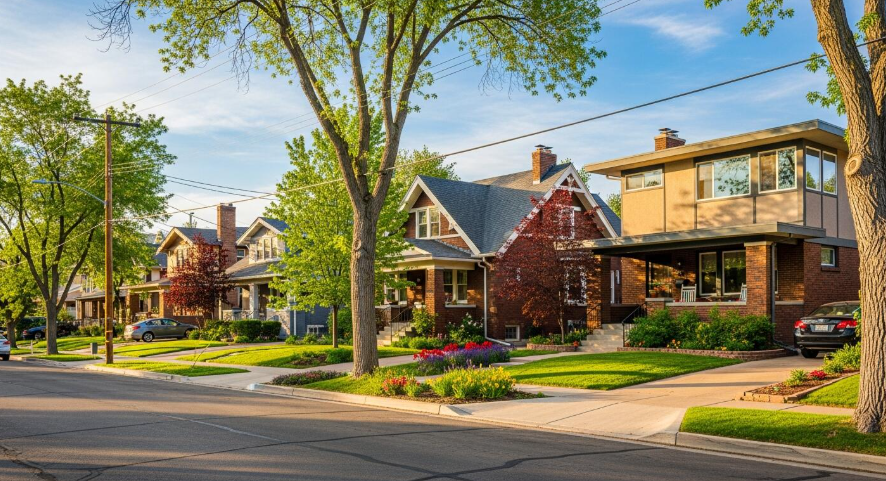
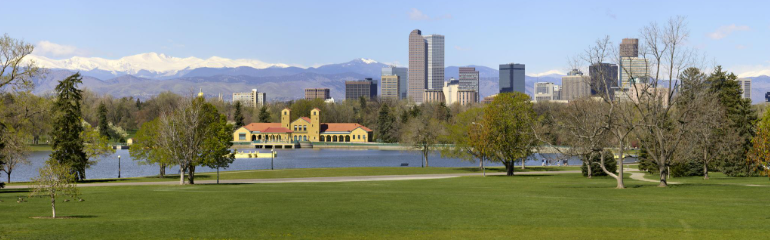

Historic homes in central Denver—especially Park Hill—tend to appreciate steadily because of:
✔ Limited supply
✔ Strong architectural desirability
✔ Central location
✔ Proximity to City Park and downtown
✔ Established school pathways
✔ Mature tree canopy and large lots
Park Hill’s preserved charm is one of the strongest contributors to its long-term investment strength.
8. What You Should Expect as a Buyer
When purchasing a historic Park Hill home, be prepared for:
- A more detailed inspection process
- Strong competition for renovated classics
- Ongoing maintenance planning
- Understanding the “quirks” of older construction
- Owning a home with more personality than any new build
If you love charm, craftsmanship, and character—you’ll love Park Hill.
Is a Historic Park Hill Home Right for You?
Choose Park Hill if you want:
✔ Architectural charm
✔ A walkable, tree-lined neighborhood
✔ Larger lots and beautiful streets
✔ Timeless curb appeal
✔ Strong resale value
✔ A home with history—not just square footage
Historic homes require care—but they reward owners with unmatched beauty and enduring value.
Thinking About Buying a Historic Home in Park Hill?
As a Park Hill historic-home specialist, I offer:
🏡 Custom Park Hill home lists
📊 Renovation cost guidance
🧰 Trusted inspector and contractor referrals
📍 Block-by-block expertise
💬 Support for relocators and historic-home buyers
Let’s find the perfect Park Hill home—with the charm, craftsmanship, and history you’re looking for.
Erik Carman
Park Hill Pro | Compass Denver
ParkHillPro.com