If you have a $1 million budget in Park Hill, you have options. The catch? You’re probably not getting everything on your wish list.
At this price point, Park Hill buyers are generally choosing between two things: a smaller, beautifully updated home in one of the neighborhood’s most sought-after locations, or a larger home with older finishes in another part of Park Hill.
Neither is necessarily the better investment. The right choice depends on whether you value location, condition, or square footage most.
That’s exactly what Erik breaks down in the Park Hill Pro video, What $1 Million Buys You in Park Hill Right Now.
What Does $1 Million Buy in Park Hill?
Quick Answer: Around $1 million can buy roughly 2,000 to 2,600 square feet with nicer, more updated finishes in a highly sought-after Park Hill location. Buyers willing to consider homes farther north or south may find closer to 2,800 to 3,100 square feet, but those homes may have older finishes or require future updates.
That’s the central tradeoff in today’s Park Hill real estate market:
Location + finishes = less space.
More space = compromises on location or finishes.
Understanding that relationship can make searching for a Park Hill home much easier.
How Much Does Location Matter in Park Hill?
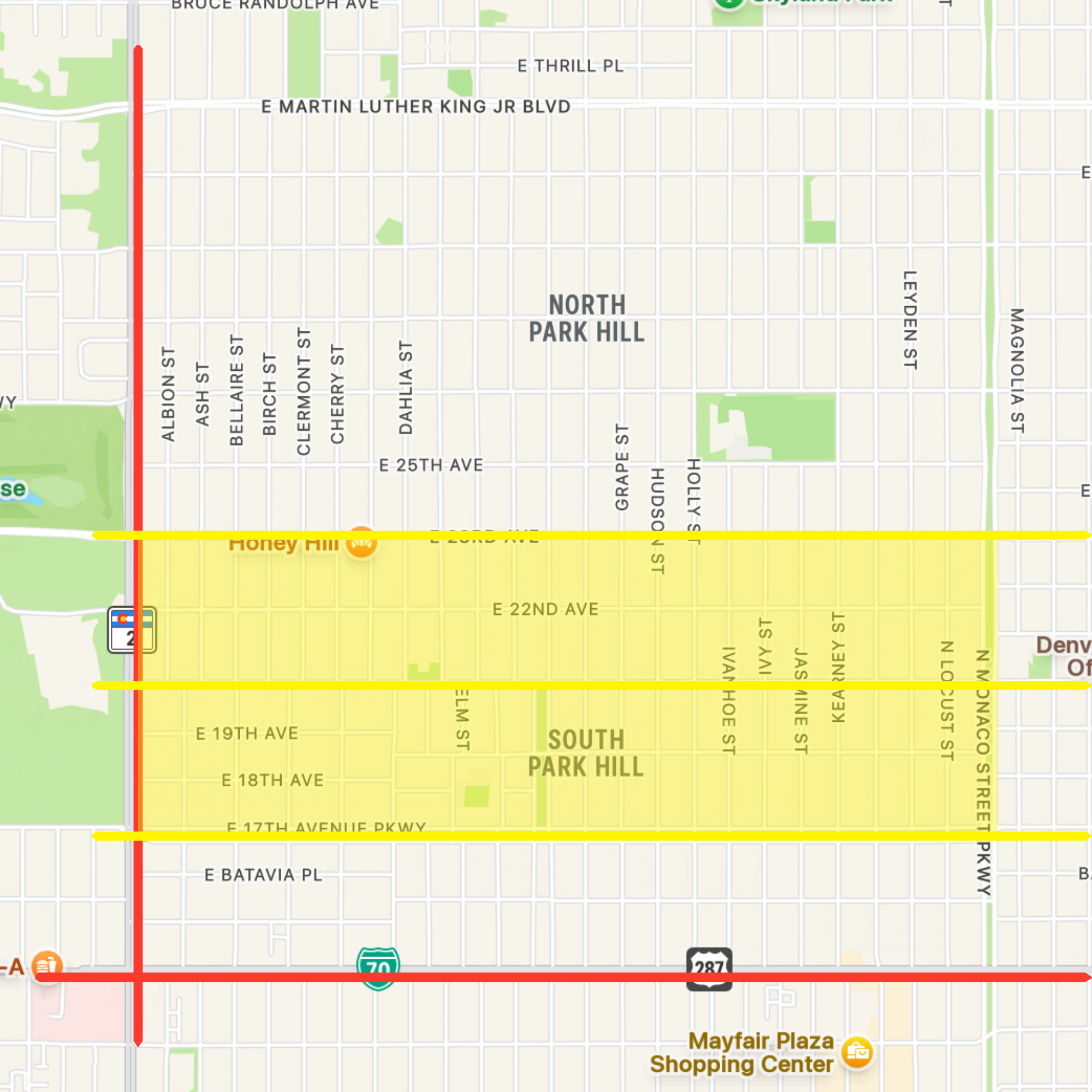
Location can have a significant impact on Park Hill home values, even when you’re comparing homes only a few blocks apart.
Some of the neighborhood’s most sought-after residential blocks are concentrated around the central portion of Park Hill, particularly between roughly 17th and 23rd Avenues. Homes farther north and south can still offer the architecture, mature streets, and access that make Park Hill desirable, but buyers may get more for their money.
We’ve explored this hyperlocal pricing dynamic before in Why Two Park Hill Homes 3 Blocks Apart Can Sell $500K Apart.
For a $1 million buyer, this creates an interesting choice.
Prioritize a prime location and you may need to accept less square footage. Expand the search by several blocks and that same budget can potentially buy considerably more house.
Would You Rather Have More Space or Better Finishes?
For many Park Hill buyers, this becomes the real million-dollar question.
A smaller home may already have the kitchen, bathrooms, flooring, and finishes you want. You can move in without immediately budgeting for major cosmetic changes.
At the other end of the spectrum, you may find a substantially larger Park Hill home at a similar price because its finishes are 10 or 15 years old.
Those older finishes aren’t necessarily bad. They just aren’t brand new.
If you can live with them, you may be able to prioritize additional bedrooms, larger living areas, or more overall square footage and renovate over time.
This connects closely with another question we’ve covered in Renovated vs. Original Park Hill Homes: What’s Actually Worth Paying For?. Paying more for renovations can make sense, but only when those improvements are worth more to you than the alternatives your budget could buy.
Which Park Hill Features Can Command a Premium?
Square footage and finishes aren’t the only variables.
Architectural style, lot location, and floor plan can also influence what buyers are willing to pay. Park Hill’s historic Tudors, Craftsman bungalows, Colonial Revivals, and other early-20th-century homes can carry value because of their architecture and original character.
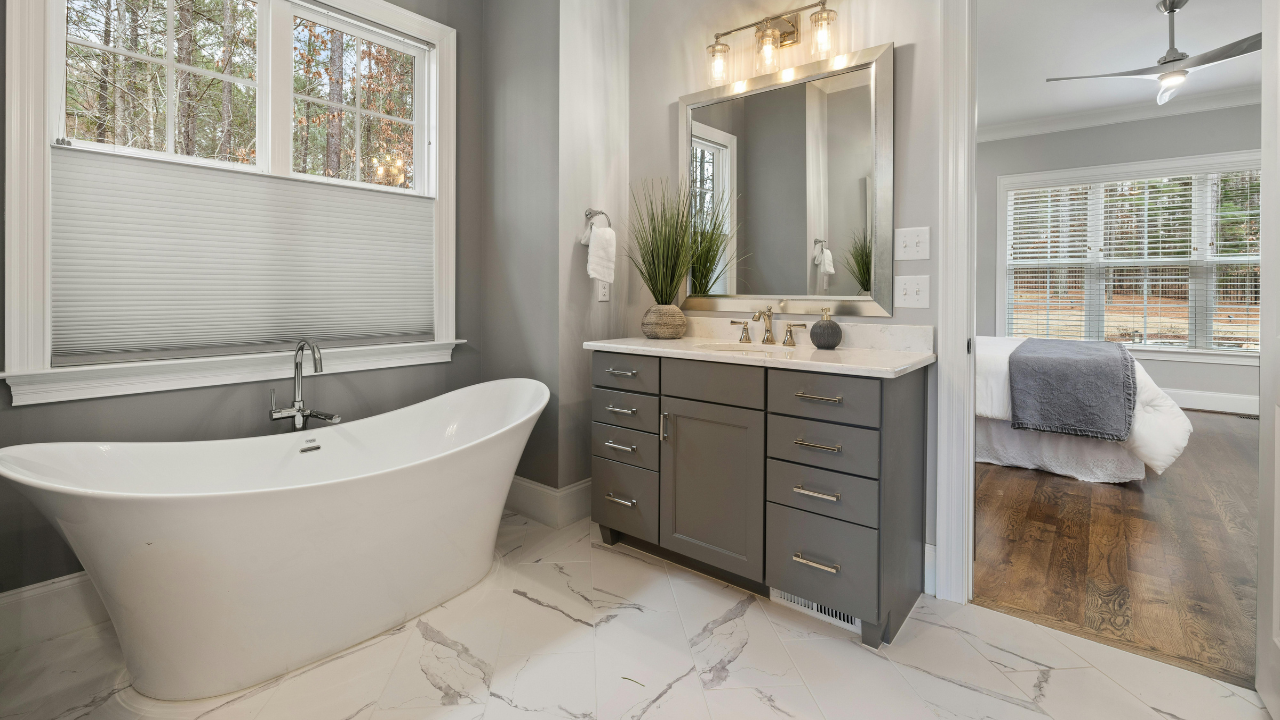
A primary suite with an ensuite bathroom can also be particularly desirable. Many older Park Hill homes were built before today’s expectations for primary bedrooms and bathrooms, making that feature harder to find.
This is why evaluating Park Hill homes purely by price per square foot can be misleading. Two similarly sized homes may offer very different combinations of architecture, updates, layout, and location.
Should You Buy the Smaller or Larger Park Hill Home?
Quick Answer: Choose the smaller home if location and move-in-ready finishes are your biggest priorities. Consider the larger home if square footage matters more and you’re comfortable with an older interior or future renovations.
Think about the things you can’t easily change.
You can replace countertops. You can remodel a bathroom. You can refinish floors.
You can’t move the lot.
And adding significant square footage to a historic Denver home can be considerably more complicated than updating finishes.
The best value, therefore, isn’t automatically the biggest or most renovated house. It’s the home where the compromises align with your priorities.
The Park Hill Rundown
So, what does $1 million buy in Park Hill?
Quite a bit, but usually with a tradeoff.
You can prioritize location and updated finishes and accept a smaller home. Or you can prioritize square footage and consider a home with older finishes or a location outside Park Hill’s most expensive blocks.
The key is deciding which features are worth paying for before you start comparing homes.
Watch What $1 Million Buys You in Park Hill Right Now to see Erik walk through what those tradeoffs actually look like in today’s Park Hill market.


